

Europe’s climate tech startups are hitting the valley of death. Could pension funds offer a lifeline?
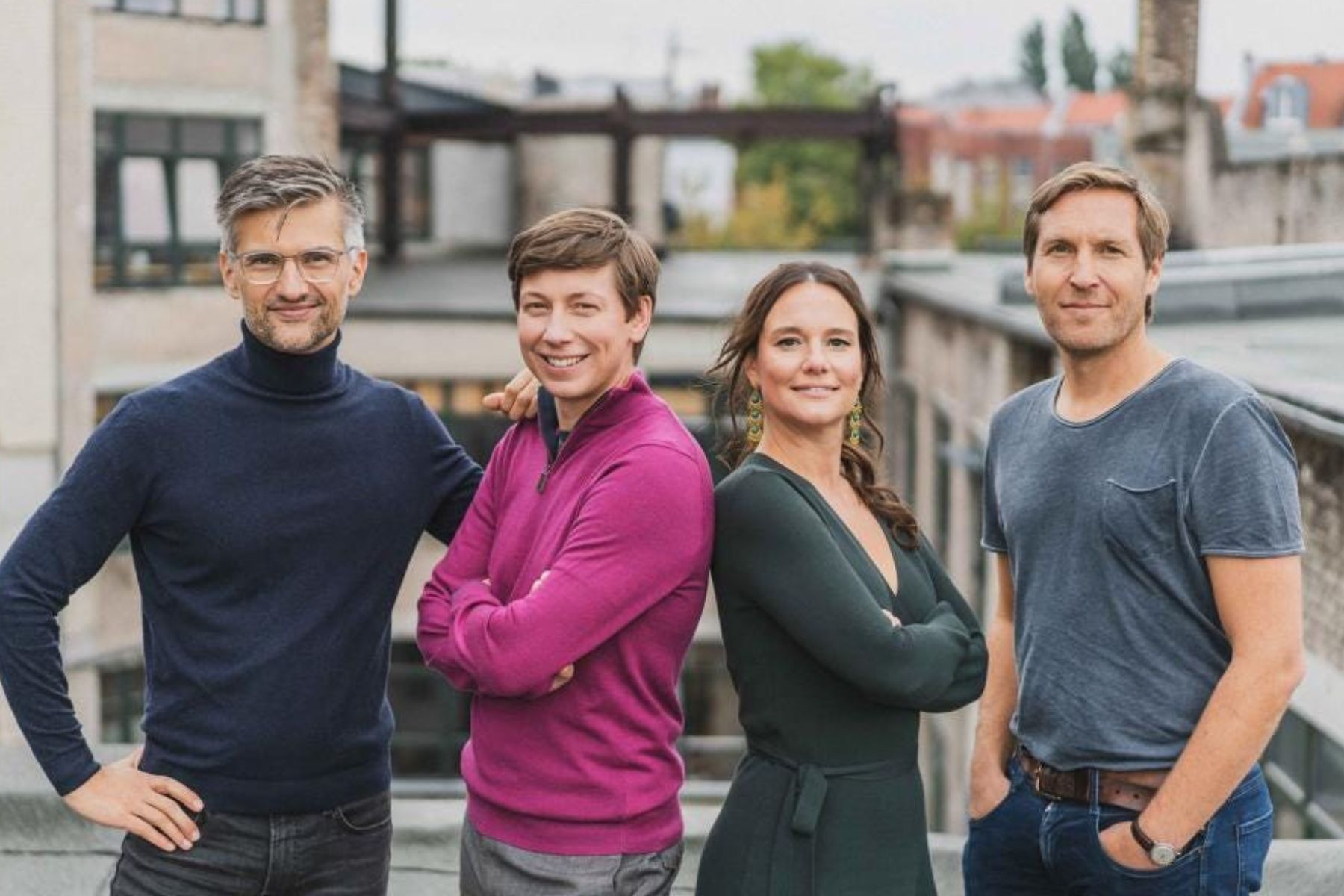
Europe’s climate tech startups are running out of cash just when they need it most, a new World Fund report warns.<br><br>We break down the key findings and explore how Europe could unlock more institutional investment from pension funds and insurers to bridge the Series B funding gap.<br><br>“Europe is not short of capital,” founding partner Craig Douglas tells Impact Loop.
.png)

European climate tech startups are consistently running out of cash when it’s time to scale, according to a new report from World Fund, highlighting what the firm says is a structural shortage of growth capital across the continent.
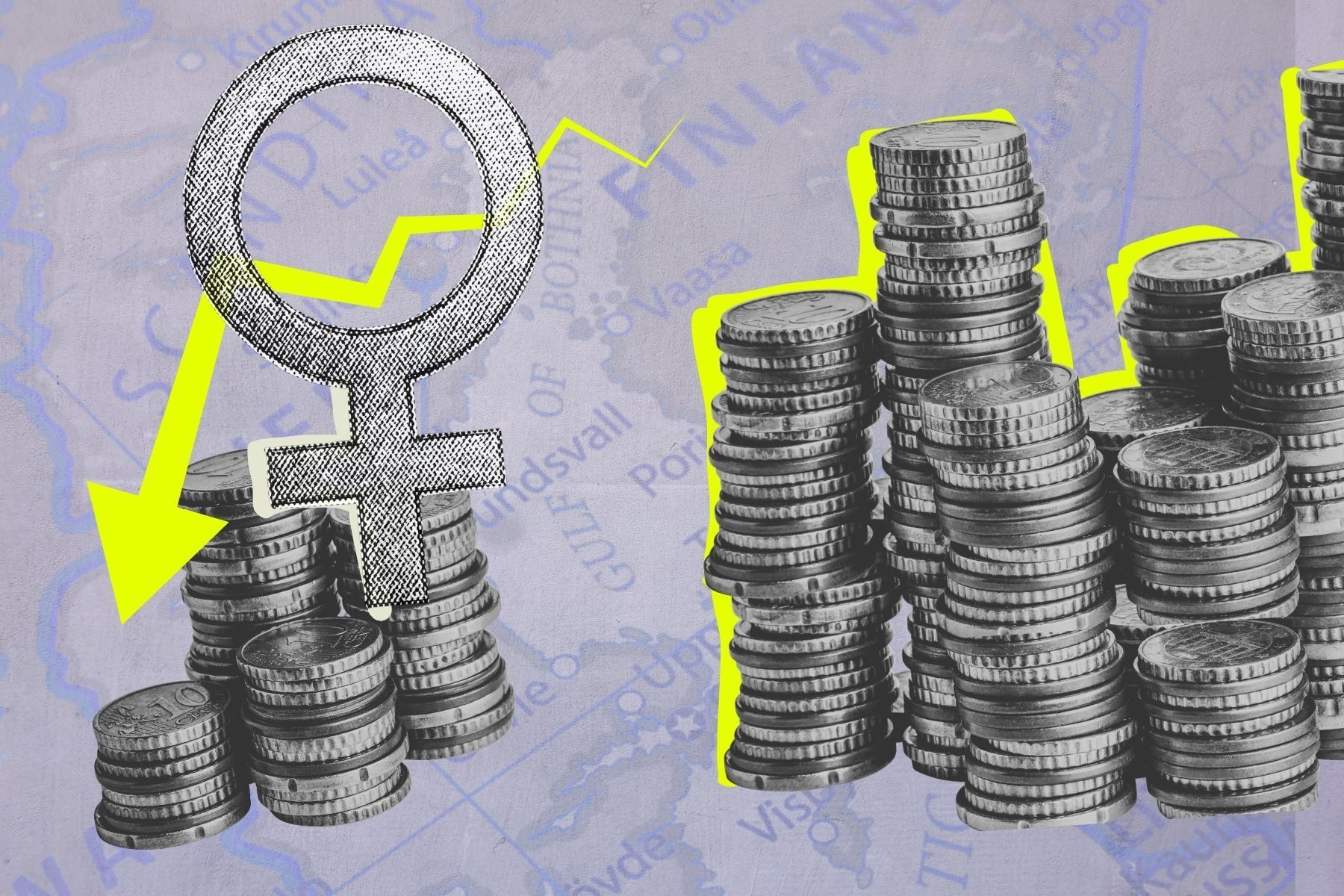
Between 2020 and 2024, only 15% of European climate tech startups that raised seed funding went on to reach Series B, compared with 25% in the US, the report found.
The main problem, the authors argue, is capital availability. Over a five-year period, European climate tech startups raised about $13.5bn less in Series B capital than their US counterparts.
“We tend to see plenty of money at the early stages, and there’s also a lot of demand for growth investments once a company starts to generate significant revenue – but there’s a serious lack of capital in the middle,” Craig Douglas, founding partner at World Fund, tells Impact Loop.
That missing middle is commonly known as the “valley of death,” as it’s the stage where most startups fail. But according to the report, that typically hard time in any company's life is made harder by the lack of funds willing to write $25m–$100m cheques, the amount of money deep tech and hardware-heavy climate startups typically need to scale.
That’s reflected in the numbers. Between 2020 and 2025, Europe raised 259 climate tech funds under $250m. But only 11 were above $500m, including London-based Lightrock and France’s Eurazeo. The US, by contrast, raised 29 climate funds over $500m in the same period.
The second issue is a lack of private institutional money flowing into European VC.
Where are the pension funds?
In the US, around 72% of venture capital comes from private institutions such as pension funds and insurers. In Europe, the figure is closer to 30%, with public entities filling much of the gap.

European pension funds allocate just 0.018% of their assets to venture capital, compared with 1.9% in the US – a more than 100-fold difference.
“Europe is not short of capital,” says Douglas. “But not enough institutional money is being funnelled into VC for more risky bets.”
However, even if institutional investors were lining up for Series B deals, we come back to the issue that there aren’t enough large VC funds to attract and deploy the capital, says Douglas, appearing to be speaking from experience.
World Fund, which raised a €300m vehicle in 2024, is currently raising its second fund with a target of over €500m, Impact Loop understands. But that still might not be big enough to reel-in the big fish.
“Dutch and Nordic pension funds, for example, typically want to invest at least $100m with just a 10% stake – which means your fund needs to be at least $1bn,” he explains.
That, says Douglas, is why investment at the growth stage – after the valley of death – is so competitive as institutional investors are more willing to bet big on proven companies with established Annual Recurring Revenue (ARR).
So what can be done about all this?
The report sketches out a set of solutions that lean heavily on institutional capital and public risk-sharing.
One pillar is blended finance: using public money to take first-loss positions in funds or vehicles that crowd in private institutional investors. That structure, the authors argue, could help de-risk early-growth investments enough to make them palatable to pensions and insurers.
Another is replicating national initiatives such as France’s Tibi programme and Germany’s WIN initiative, which have used policy coordination and pooled institutional commitments to mobilise billions for venture and growth equity.
The report also calls for regulatory reform to reduce the capital penalties on venture investments, alongside efforts to pool pension fund investment functions to build expertise in illiquid assets.
“Closing the Series B gap will require not just more capital, but more vehicles capable of leading mid-sized rounds,” Douglas concluded. “Without that, Europe risks continuing to build world-class climate technologies only to watch them scale elsewhere.”
Get full access to Europe's new platform for impact news
- Quality journalism, interviews, investor profiles and deep-dives
- Daily newsletter with top stories, latest funding rounds and roundup to keep you in the loop
Keep reading – get in the loop!
- Håll dig i loopen med vårt dagliga nyhetsbrev (gratis!)
- Full tillgång till daglig kvalitetsjournalistik med allt du behöver veta inom impact
- Affärsnätverk för entreprenörer och investerare med månatliga meetups
Fortsätt läsa – kom in i loopen!
- Håll dig i loopen med vårt dagliga nyhetsbrev (gratis)!
- Full tillgång till daglig kvalitetsjournalistik med allt du behöver veta inom impact
- Affärsnätverk för entreprenörer och investerare med månatliga meetups