

Exceptional Ventures’ new healthtech fund targets prevention – and draws a line on AI: ‘Must be a human layer’
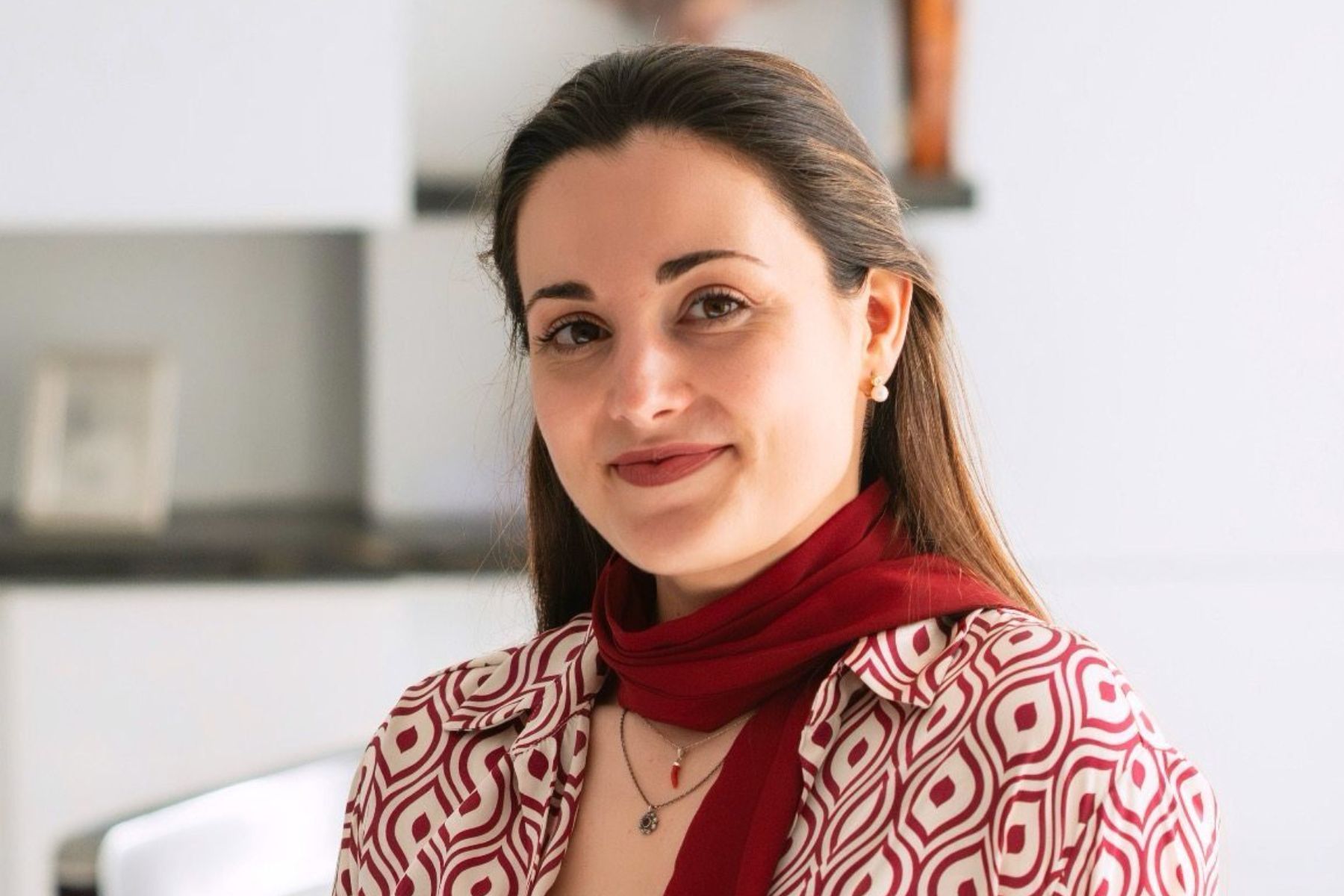
UK-based Exceptional Ventures has reached the first close of its new £40m fund – with backing from major institutional investors. <br><br>We sat down with Anna Fortuny-Gomez, science lead at the firm, to talk about the new fund, the good and bad of AI in healthtech, and the story of a House of Lords member that discovered a tumour using an experimental AI-powered body scanner.
.png)

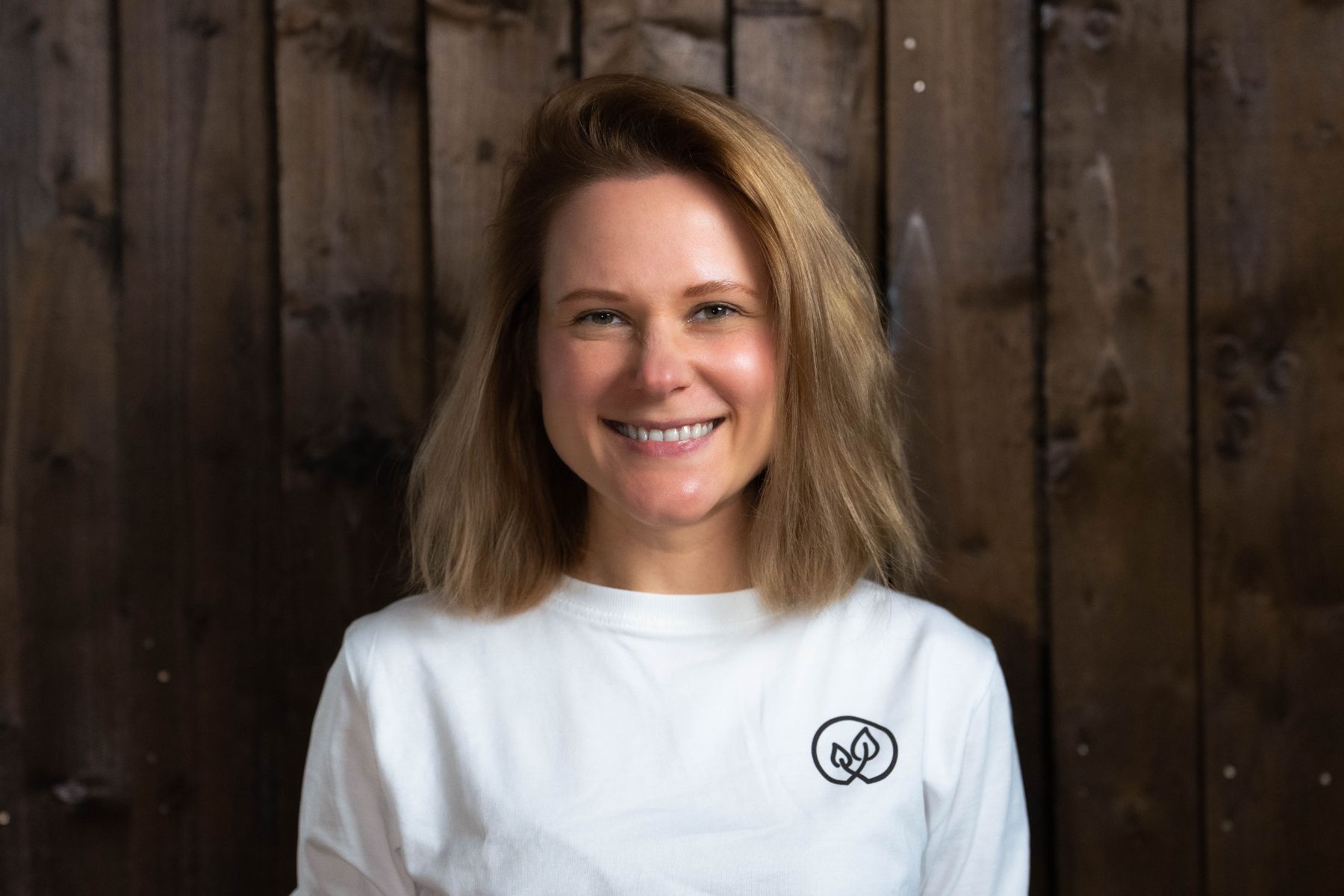
Anna Fortuny-Gomez spent years in the lab developing drugs for cancer prevention and cardiovascular diseases before moving into venture capital. So it is perhaps no surprise that the PhD-wielding scientist is sceptical about the rise of tech fads such as biohacking, longevity, and even some AI tools.
“We see it as part of our bigger responsibility as investors to help separate the science from the fiction,” Fortuny-Gomez, Head of Platform, Science and Reputation at Exceptional Ventures, told Impact Loop in an interview.
Prevention first
Exceptional Ventures, founded by Italian tech entrepreneur Paolo Pio and British angel investor and former Octopus Capital chairman Matt Cooper, recently secured £20m in the first close of its £40m fund, with backing from institutional investors including the Italian foundation Compagnia di San Paolo, P101, and the British Business Bank.
The fund will focus mainly on prevention rather than treatment, said Fortuny-Gomez, and includes technologies that help detect disease or health issues early and deliver care to patients. The firm writes early-stage cheques and plans to invest in around 60 startups from the new fund.
Exceptional Ventures has already made more than 30 investments, according to Dealroom data, including Sava, which raised $19m last year for its wearable biomarker that helps diabetes patients monitor glucose levels in real time. That round also attracted investment from Balderton Capital, Norrsken VC, and others.
AI in health tech
The firm’s portfolio also includes several AI-based healthtech plays, including Evaro, an alumnus of the Google for Startups Accelerator, which offers AI-powered digital health services.
However, Fortuny-Gomez says she is sceptical of some of the AI solutions that have swept healthtech in recent years.
“There always has to be somebody after the AI layer, like a human layer, to look after the whole process and just explain to you what is going on,” she said.
Yet Fortuny-Gomez has also witnessed the potential of artificial intelligence in healthcare, pointing to the example of a member of the House of Lords who, during an Exceptional Ventures event, tried two AI-enabled MRI body scanners from startups Elevate Health and Aeon. Despite having no symptoms and no smoking history, the scans detected a tiny, aggressive tumour. Because it was caught so early, it was removed via microsurgery, preventing a potentially fatal outcome.
“It would have potentially grown into a massive problem for him,” she explains.
No shortcuts
However, Fortuny-Gomez is far more sceptical about what she calls the “polluted” side of the wellness market, including so-called “biohacking” – roughly defined as DIY health experimentation.
“We do not invest in biohacking or in therapeutics or anything that says, oh, if you drink this, you're going to live 10 days longer,” she said.
Get full access to Europe's new platform for impact news
- Quality journalism, interviews, investor profiles and deep-dives
- Daily newsletter with top stories, latest funding rounds and roundup to keep you in the loop
Keep reading – get in the loop!
- Håll dig i loopen med vårt dagliga nyhetsbrev (gratis!)
- Full tillgång till daglig kvalitetsjournalistik med allt du behöver veta inom impact
- Affärsnätverk för entreprenörer och investerare med månatliga meetups
Fortsätt läsa – kom in i loopen!
- Håll dig i loopen med vårt dagliga nyhetsbrev (gratis)!
- Full tillgång till daglig kvalitetsjournalistik med allt du behöver veta inom impact
- Affärsnätverk för entreprenörer och investerare med månatliga meetups
More articles:
Lightrock set to secure anchor investment for new $200m Africa fund