

Why the next energy tech unicorn won't own a single electron
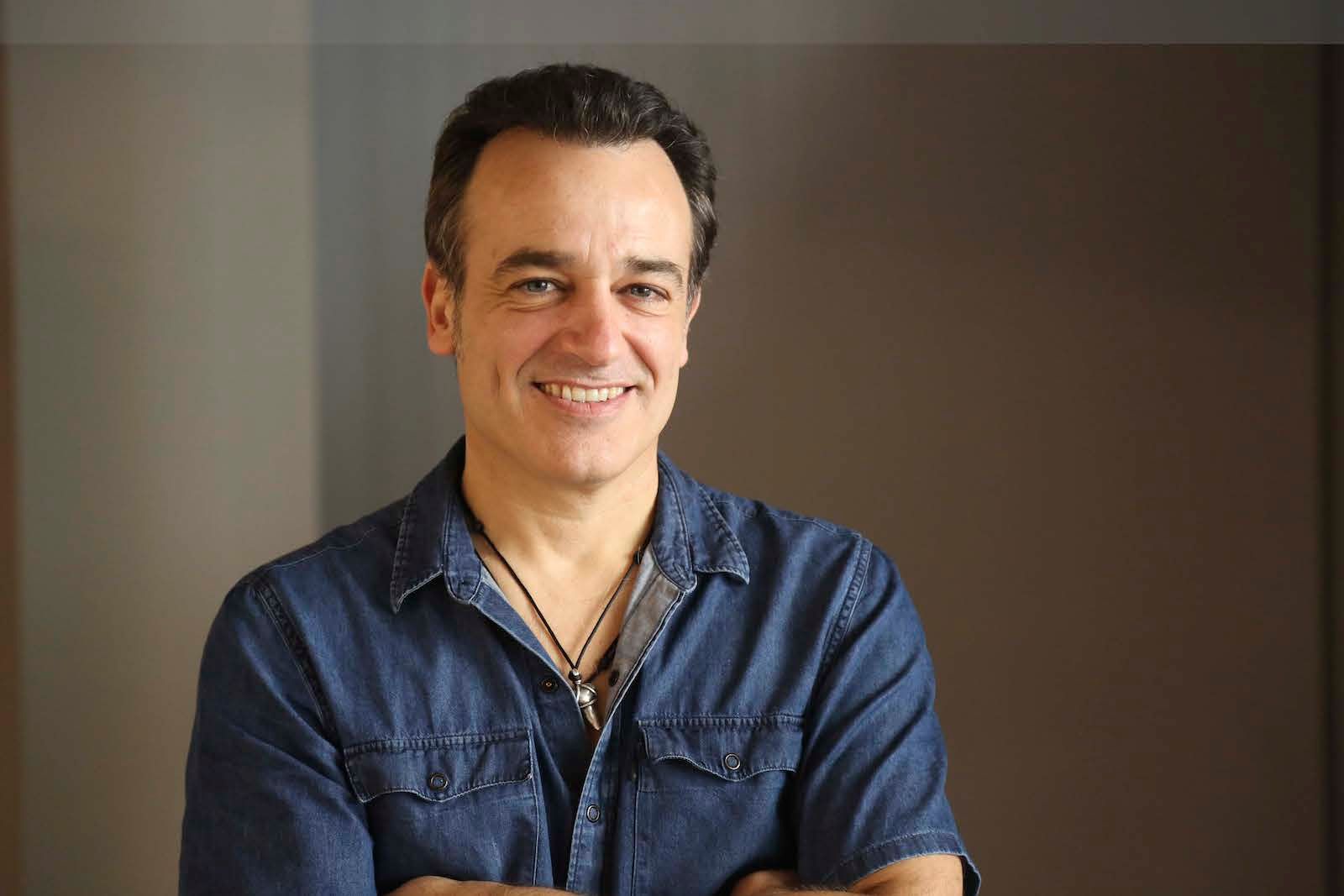
Southern Europe has more renewable energy than its grid can handle. That's a structural risk – but also a great business opportunity, argues Fernando Casado, co-founder and general partner at Spanish climate tech fund Inclimo.


Southern Europe seems to have too much clean energy. And that’s a problem most investors still underestimate.
As a climate tech investor, reviewing more than 800 climate tech startups per year and working closely with energy companies across Europe, I’ve seen the same pattern repeat itself: solar capacity keeps growing, but the grid is increasingly unable to absorb it. Grid congestion – not generation – is now the real bottleneck of decarbonisation.
Transmission networks designed for centralised, predictable fossil generation built decades ago in the region, are now being asked to manage decentralised, intermittent, weather-driven supply. System operators, such as Red Electrica de España and Terna, are navigating congestion with tools that were never meant for this level of volatility.
The result is structural inefficiency. Clean electrons are wasted not because they lack demand, but because the system cannot respond fast enough, locally enough, or intelligently enough. This is where the energy transition quietly changes character. Where investors should start taking notes.
The next phase of decarbonisation will not be won by adding more megawatts. It will be won by making the system more responsive. More flexible. In this sense, the most consequential innovation is no longer generation but orchestration.
Grid intelligence platforms, AI-based forecasting, demand-side flexibility, and advanced battery systems are converging into a new layer of system infrastructure. This is not a speculative future. The technology is mature. Storage is evolving beyond arbitrage into multi-service assets that balance frequency, relieve congestion, and absorb excess solar exactly where constraints emerge.
‘The next energy unicorn will not own generation’
What has shifted is economics. Volatility in Southern European power markets is no longer an anomaly but a feature. In fact, that volatility creates durable revenue opportunities for flexibility, aggregation, and intelligent dispatch.
For investors, this represents a profound shift. Capital is moving away from CAPEX-heavy generation projects toward software-enabled infrastructure that is inherently asset light, with faster scaling dynamics and defensible moats.
For entrepreneurs, this is not a theoretical opportunity. Across Southern Europe, a new generation of companies is turning energy communities and industrial demand into grid-responsive assets, combining AI-driven aggregation with long-duration storage, and orchestrating distributed PV, storage and flexible loads into dispatchable, revenue-generating systems.
These companies differ in technology but share a common thesis: value is shifting from megawatts installed to megawatts intelligently coordinated. What unites these models that they do not win by owning electricity generation infrastructure but by directing energy flows.
Southern Europe, often framed as a laggard in industrial competitiveness, may now be one of the most honest laboratories for the future of energy systems. High renewable penetration exposes weaknesses faster, which accelerates innovation where it matters most.
There is an powerful lesson here. The energy transition does not fail because we lack clean power. It fails when systems cannot adapt to abundance. In a world where electrons are cheap and plentiful, coordination becomes the scarce resource.
The next energy unicorn will not own generation, it will control coordination. And the regions that learn to manage excess – not scarcity – will define what a resilient, decarbonised energy system actually looks like.
Get full access to Europe's new platform for impact news
- Quality journalism, interviews, investor profiles and deep-dives
- Daily newsletter with top stories, latest funding rounds and roundup to keep you in the loop
Keep reading – get in the loop!
- Håll dig i loopen med vårt dagliga nyhetsbrev (gratis!)
- Full tillgång till daglig kvalitetsjournalistik med allt du behöver veta inom impact
- Affärsnätverk för entreprenörer och investerare med månatliga meetups
Fortsätt läsa – kom in i loopen!
- Håll dig i loopen med vårt dagliga nyhetsbrev (gratis)!
- Full tillgång till daglig kvalitetsjournalistik med allt du behöver veta inom impact
- Affärsnätverk för entreprenörer och investerare med månatliga meetups
More articles:

‘Beyond stupid’: Investors slam lab-grown meat restrictions – and billions in livestock subsidies


.avif)