

Expert doubts Stegra should get more public funds: ‘It’s a very risky project...they lack transparency’
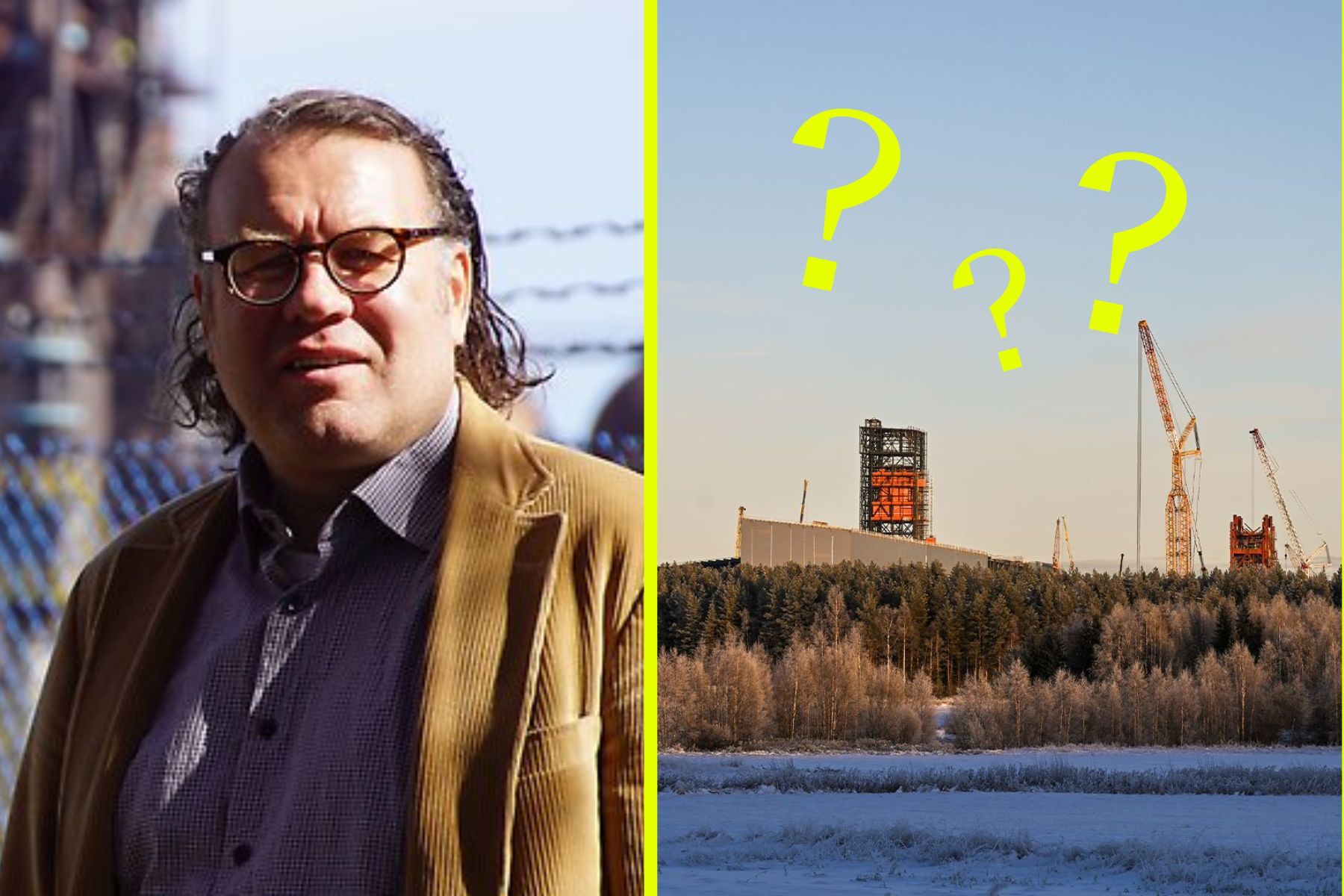
Green steel startup Stegra is facing growing doubts over its €6.5 billion plant in Boden, northern Sweden. <br><br>One expert close to the project questioning its claimed progress, transparency, and the case for more government backing.<br> <br>Stegra refutes the claims.<br><br>
.png)

Stegra, Europe’s most high-profile green steel startup, is facing mounting doubts over its financial and operational viability, raising questions about whether further Swedish government support is justified, according an well-regarded academic close to the project.
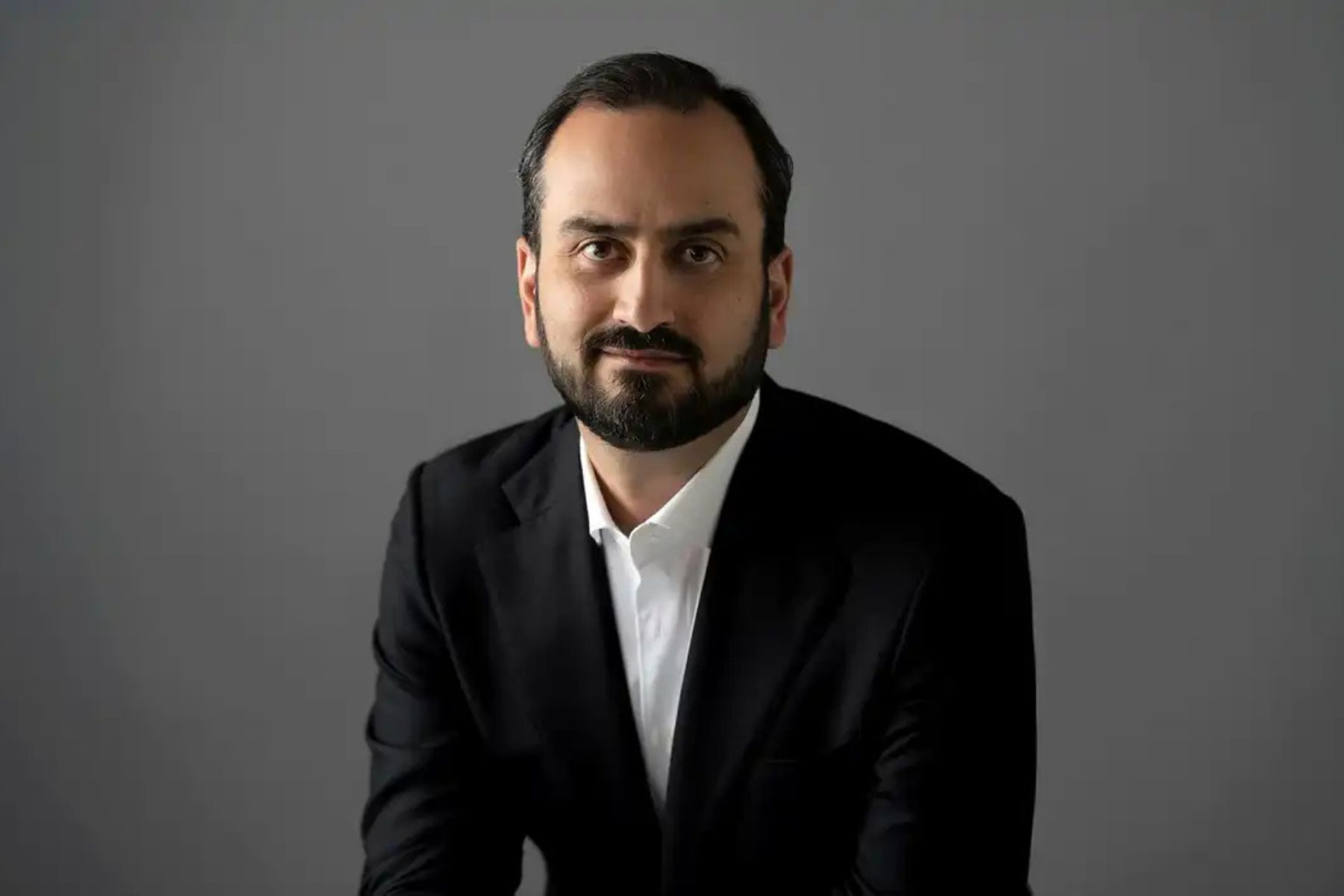
Ossi Pesämaa, Associate Professor at Luleå University of Technology (located 35km from Stegra's plant) and an expert on megaprojects, said the case for further public investment is “highly questionable.”
“At this moment… it is a very risky project,” he told Impact Loop in an interview. “I’m not sure that more public money should be spent on it,” adding that many would prefer a “market-based project where they can defend their financial decision based on market values.”
As Impact Loop previously reported, Stegra faces a funding shortfall of up to €1 billion and is currently scrambling to secure new commitments from new and existing investors amid reports it may face insolvency.
Henrik Henriksson, CEO at Stegra, refutes the reports. "It’s perhaps more exciting to talk about it as if it were a crisis, but it isn’t one," he told an audience at the Fossil Free Sweden conference in Stockholm in November. "There are, however, areas where we’d appreciate more support."
Stegra's push for government support
Stegra has been outspoken about the need for more government money, warning that the lack of commitments from the Swedish government risks derailing the green transition.
Stegra, which aims to produce low-carbon steel using hydrogen generated from renewable energy, has already received significant government backing to construct its plant in Boden, northern Sweden. In 2024, the Swedish Energy Agency granted Stegra €100m, and last month dished out another €41m grant, on condition that the company gets firm commitments from more private investors.
Still public funding is a tiny slice of the total €6.5 billion total the company has secured since its founding in 2020.
However, Pesämaa believes the government's reluctance to bankroll the project is justified. “Stegra seems… very optimistic and at the same time not very transparent… that raises more questions,” he said.
Karin Hallstan, head of communications at Stegra, however, maintains the company is transparent in its operations.
"Regarding transparency, we maintain close and frequent dialogue with our banks, investors, customers and partners, as well as other groups such as politicians and journalists – including through events like our Capital Markets Day," she told Impact Loop.
Progress overestimated?
Pesämaa highlighted both cost and progress concerns.
The plant’s investment budget now exceeds €7 billion, he said, roughly more than the current market value of Sweden’s incumbent steel giant SSAB, which has established production, logistics, and supplier networks.
The academic also cast doubts over the construction progress at the Boden plant, saying that insiders he’s spoken with estimate Stegra’s facility is closer to halfway done, rather than the 60% claimed by management.
“Our deep throats tell us that their guess would be that [Stegra’s green steel plant] is only 50% ready,” said Pesämaa. “The company is not very transparent.”
Hallstan refuted the claims. "We are aware that quite a few inaccuracies are being circulated about us, but we generally refrain from commenting on rumours and speculation," she said.
A cloud over the North
Public sentiment toward green projects in northern Sweden has shifted dramatically, said Pesämaa, which he attributes partly to the struggles of Northvolt and Stegra but also broader political shifts to right-wing discourse.
Where there was once a boom-town atmosphere in the North, “almost all the old optimistic views are gone,” he said. “Now you just see the negative – shared all over social media and the media. It’s shifted to the other end – which is also wrong.”
Henriksson also weighed in on the political storm swirling around Stegra during his address last month – and, more broadly, Sweden’s green-industrial push.
"It’s about north versus south, fossil versus renewable, left versus right,” he said. “We’ve somehow ended up in the middle – and now people are treating us like a ping-pong ball.”
Get full access to Europe's new platform for impact news
- Quality journalism, interviews, investor profiles and deep-dives
- Daily newsletter with top stories, latest funding rounds and roundup to keep you in the loop
Keep reading – get in the loop!
- Håll dig i loopen med vårt dagliga nyhetsbrev (gratis!)
- Full tillgång till daglig kvalitetsjournalistik med allt du behöver veta inom impact
- Affärsnätverk för entreprenörer och investerare med månatliga meetups
Fortsätt läsa – kom in i loopen!
- Håll dig i loopen med vårt dagliga nyhetsbrev (gratis)!
- Full tillgång till daglig kvalitetsjournalistik med allt du behöver veta inom impact
- Affärsnätverk för entreprenörer och investerare med månatliga meetups