

UVC Partners bets big on this emerging industry: 'A small green premium is acceptable'
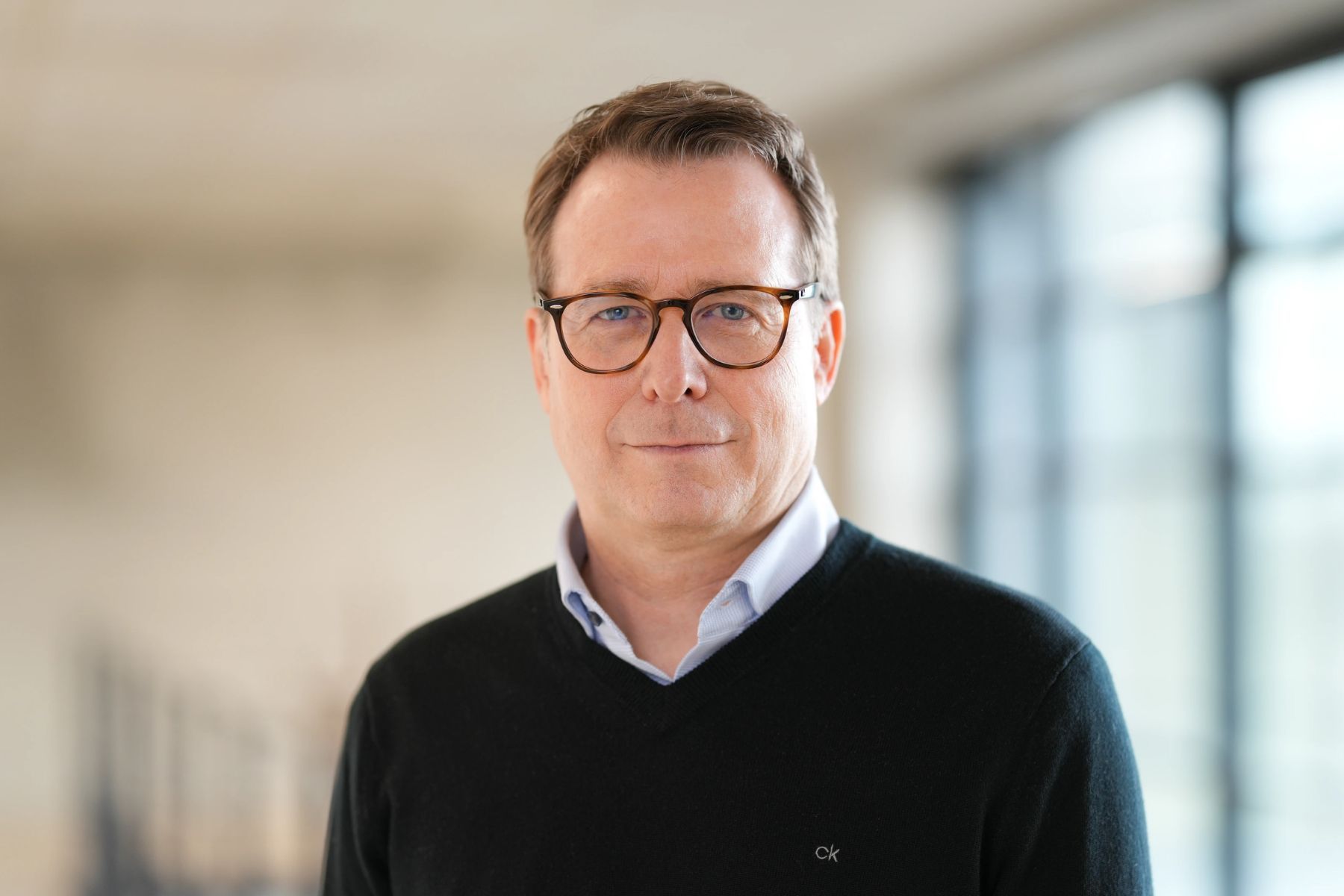
One of Europe’s largest climate and deep tech funds, UVC Partners, just made its latest big investment.<br><br>We caught up with managing partner Johannes von Borries to find out more – and why he thinks green premiums for climate tech can sometimes be justified. <br>
.png)

UVC Partners closed its €250m climate and deep tech fund in 2024 with the aim to scale European hardtech – everything from rockets and planes to the software underpinning it. And it’s just made its latest bet on what might be the future of green flight.
The Munich-based firm has led a $24m Series A round in Swiss sustainable aviation fuel developer Metafuels, underlining a continued commitment to capital‑intensive climate technologies that many other VCs avoid. The funding was joined by Energy Impact Partners, Contrarian Ventures, RockCreek, Verve Ventures, and Fortescue Ventures.
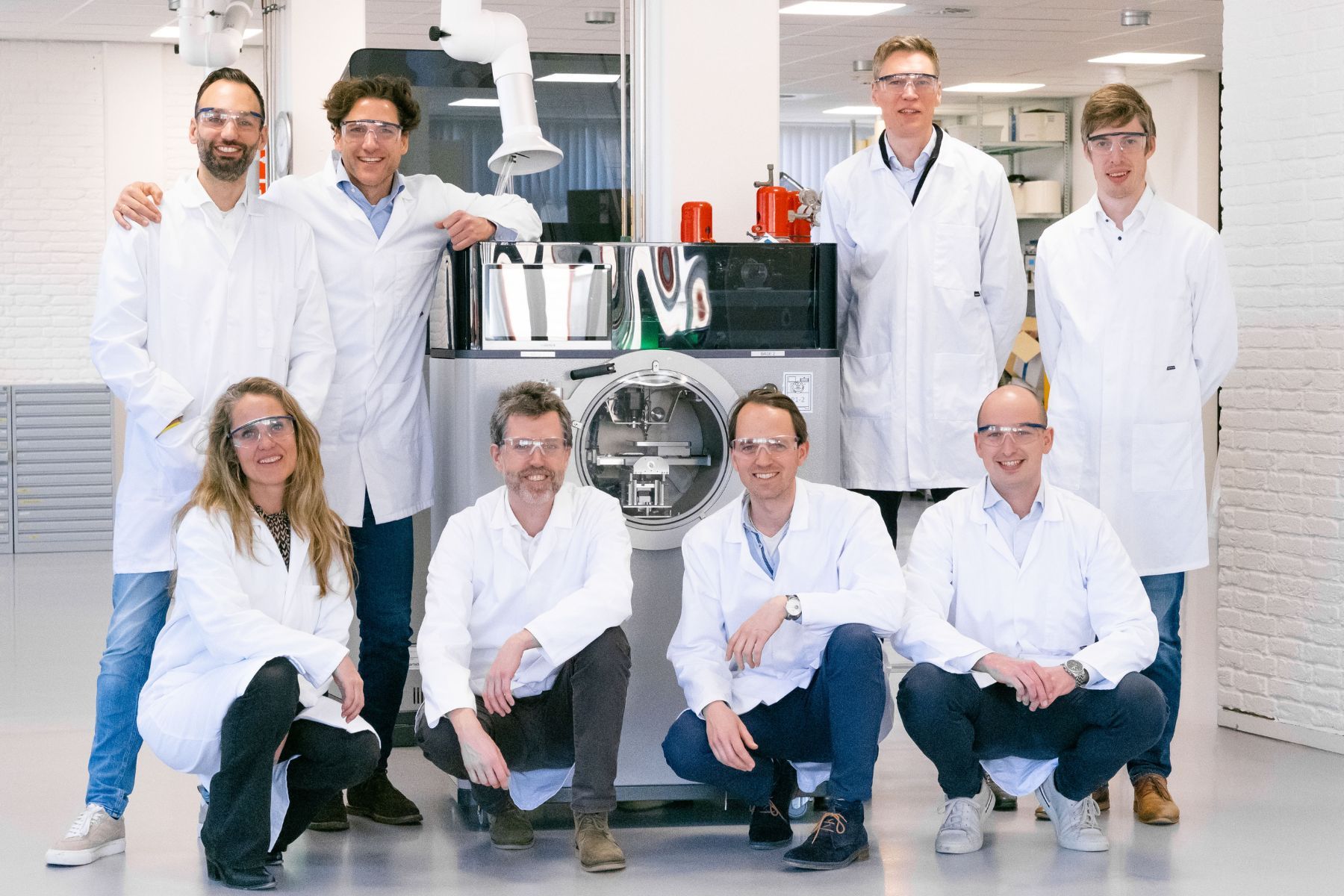
Metafuels, whose CEO Impact Loop interviewed last year, is building electro‑sustainable aviation fuel (e‑SAF) that turns green methanol into jet fuel compatible with existing aircraft engines.
SAF is still much more expensive than conventional jet fuel, and carries a significant green premium. However, that didn’t deter UVC Partners from investing.
“Over time, the SAF price will converge with fossil fuel, but for now, the increase is small and manageable,” Johannes von Borries, managing partner at UVC, tells Impact Loop over video call. “In fact, this small premium is actually the path to eventually fly CO2-free.”
The EU has set ambitious SAF mandates for the next decade, legally requiring fuel suppliers to start mixing 2% SAF into jet fuel in 2025, rising to 70% by 2050. That’s pushing airlines to find solutions.
“The fact that even the pension fund of Delta Airlines is investing in Metafuels shows there’s confidence that the market for SAF will support this premium,” Von Borries says.
While some experts have argued that cleantech should not come with a green premium, others believe that it is acceptable to charge more for cleaner products – especially when they’re just coming to market.
Von Borries stresses that hardware companies in particular will struggle to compete with existing industries at the start, due to their capex-intensive nature. But over time the economics will “level out.”
It’s getting to the point where the economics make sense though that can be the hardest part of investing in deep and climate tech, Von Borries admits.
“There’s definitely a lack of scale-up capital in Europe,” he says, adding, however, that he remains optimistic, especially with the addition of initiatives such as the EU’s Scaleup Fund, which looks to allocate €5bn to bridge the so-called “Valley of Death” where most startups fail.
William Godfrey, a former VC at Founders Factory, and now founder of Tangible, thinks there’s another solution to the financing struggles of hardtech companies: debt.
“I was on the board of a few famous-ish hardware failures,” he previously told Impact Loop. “And when I did the post-mortem of those companies, I realised that capital structuring was a much bigger component than we were currently giving any time to.”
Get full access to Europe's new platform for impact news
- Quality journalism, interviews, investor profiles and deep-dives
- Daily newsletter with top stories, latest funding rounds and roundup to keep you in the loop
Keep reading – get in the loop!
- Håll dig i loopen med vårt dagliga nyhetsbrev (gratis!)
- Full tillgång till daglig kvalitetsjournalistik med allt du behöver veta inom impact
- Affärsnätverk för entreprenörer och investerare med månatliga meetups
Fortsätt läsa – kom in i loopen!
- Håll dig i loopen med vårt dagliga nyhetsbrev (gratis)!
- Full tillgång till daglig kvalitetsjournalistik med allt du behöver veta inom impact
- Affärsnätverk för entreprenörer och investerare med månatliga meetups