

Is vertical farming dead? Another startup stumbles as scaling proves ‘really tough’

Sweden’s Ljusgårda is the latest vertical farming startup to stumble after rapid growth, high expectations and $50m in VC backing. We look at its struggles and what the future of vertical farming might hold. <br><br>"It was never a VC investable space in my view," Felix Leonhardt, managing partner at foodtech venture capital firm Oyster Bay, tells Impact Loop.<br>
.png)

Vertical farming promised to revolutionise the way we grow food – and investors bought the pitch. But the fallout over the last couple of years has been brutal.
Dozens of vertical farming startups have gone bankrupt or been forced to close after burning through tonnes of VC money – only to realise that building high-tech factories with robots and AI to grow lettuce or herbs creates serious scaling challenges.
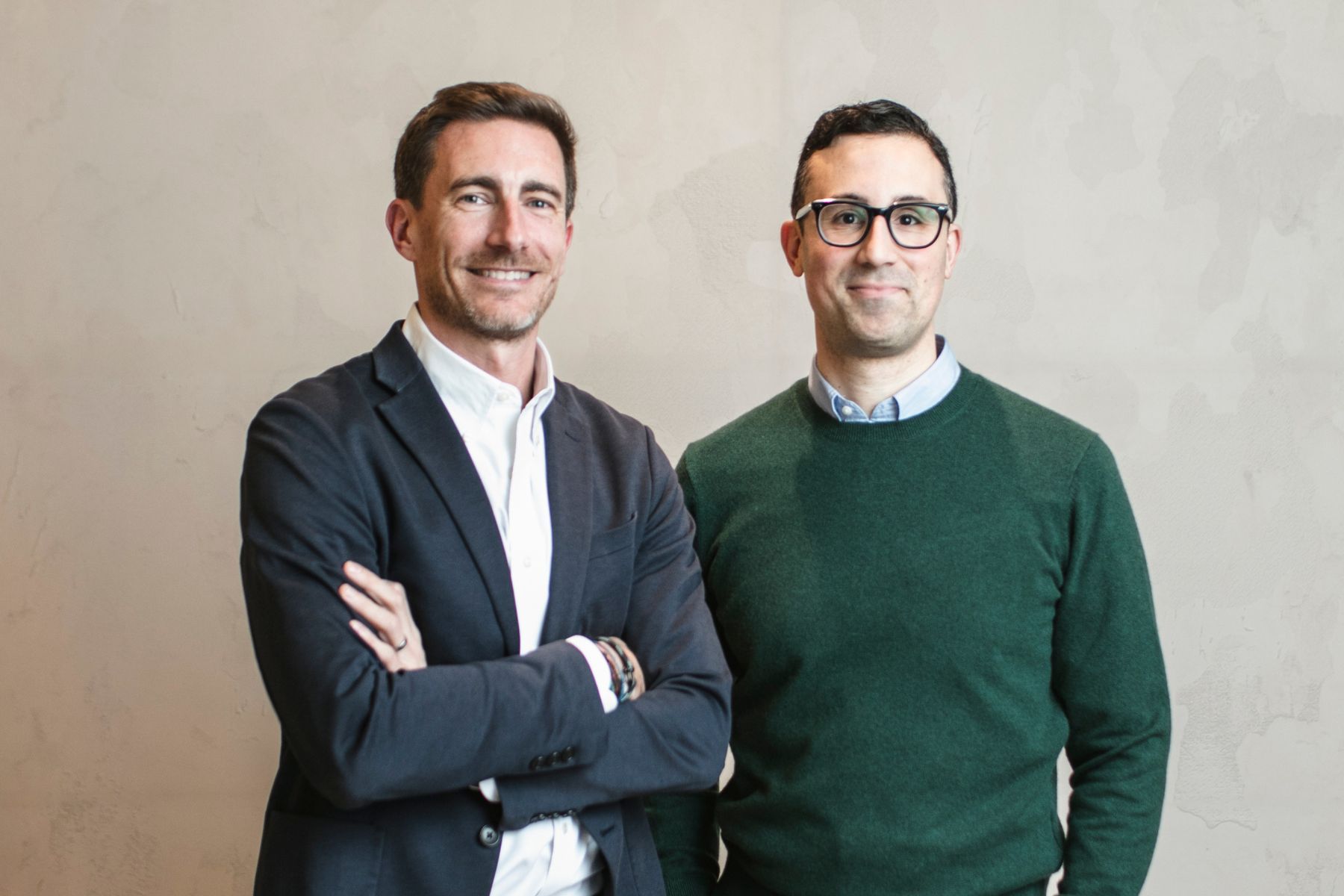
The latest casualty of the vertical farming bubble burst is Sweden’s Ljusgårda, which sells premium lettuce under the brand name Supernormal Greens. After raising almost $50m in capital, including from H&M heir Karl-Johan Persson, the company is shutting down its lettuce operations and halving its workforce.
“We grew rapidly during the hype phase, but things got a lot harder once it was time to scale and secure agreements with major retailers,” Andreas Wilhelmsson, Ljusgårda co-founder and CEO, tells Impact Loop.
Ljusgårda opened a 7,000-square-metre plant in Tibro, Sweden, in 2021. A year later, the vertical farm reportedly supplied about 520 tonnes of lettuce to retailers across Sweden. But to reach economies of scale and bring down costs, the company needed to produce more – much more – and that’s when it hit roadblock after roadblock.
In order to secure a bigger facility, Wilhelmsson says, the company needed growth equity. But to convince investors, it needed offtake agreements with major supermarkets. That proved easier said than done.
“The investors wanted agreements in place, but the retailers wanted security that we were going to be able to produce vast quantities of salads,” Wilhelmsson explains.
In the end, neither the supermarkets nor the investors were willing to take the plunge. Ljusgårda will now keep operating the same facility in Tibro but produce crops for dietary supplements, cosmetics, and pharmaceuticals instead – markets where Wilhelmsson says the company has already conducted successful pilots.
Ljusgårda's struggles to get financing are far from isolated. Over the last two years, investors have made what can only be described as a mass exodus away from vertical farming. Venture capital flows into the sector have plummeted from a peak of $1.8bn in 2021, to just $94m last year.
Is vertical farming dead?
Among the largest closures last year was the world’s largest vertical farm, owned by US-based Plenty, which went bankrupt after raising almost $1 bn from investors including SoftBank and Walmart. In the UK, GrowUp Farms entered administration after raising almost $200m, and was later acquired by Sun Capital.
Wilhelmsson believes that vertical farming’s fall from grace has followed the classic ‘hype cycle’ and is now entering the maturity phase. He thinks some big players will survive the downfall and that vertical farming will still have a place in the future of food, but admits: “scaling is really tough.”
Felix Leonhardt, managing partner at foodtech venture capital firm Oyster Bay, thinks the funding mix was wrong from the outset.
"Vertical farming was never a VC investable space in my view," he told Impact Loop.
Leonhardt says he sees vertical farms as more attractive to "infrastructure investments," especially in hot regions with cheap energy supplies.
Henry Gordon-Smith, founder and CEO at Agritecture, a US-based consultancy, thinks vertical farming will still play a crucial role in the food systems of the future.
“Vertical farming is not going away, but it is evolving much slower and taking shape very differently than most of its early supporters and investors expected,” Gordon-Smith wrote in a recent blog post, also suggesting companies pivot to higher-margin crops or pharmaceuticals.
He challenged the notion that vertical farm companies can grow like software startups from Silicon Valley and called for a more measured approach focused on bringing down costs rather than chasing rapid scale.
It’s a sentiment Wilhelmsson understands all too well. “Vertical farms need to focus on getting the cost down early, even without massive scale,” he says. “You need to run it like an ultra-efficient factory.”
Get full access to Europe's new platform for impact news
- Quality journalism, interviews, investor profiles and deep-dives
- Daily newsletter with top stories, latest funding rounds and roundup to keep you in the loop
Keep reading – get in the loop!
- Håll dig i loopen med vårt dagliga nyhetsbrev (gratis!)
- Full tillgång till daglig kvalitetsjournalistik med allt du behöver veta inom impact
- Affärsnätverk för entreprenörer och investerare med månatliga meetups
Fortsätt läsa – kom in i loopen!
- Håll dig i loopen med vårt dagliga nyhetsbrev (gratis)!
- Full tillgång till daglig kvalitetsjournalistik med allt du behöver veta inom impact
- Affärsnätverk för entreprenörer och investerare med månatliga meetups
More articles:

LUMO Labs secures LP investment to back Spanish startups: ‘The market is coming up'