

The 25% rule: Why behavioural science may be Europe’s best impact mobility hack
If Europe wants a mobility sector that genuinely shifts people towards more sustainable choices, we need to talk about psychology, argues a new report by EIT Urban Mobility. <br><br>And there’s one data point that sticks out.

Europe’s mobility transition has long been framed as a technology and infrastructure challenge, centred on building more cycle lanes, electrifying more vehicles and securing the funding to scale it all. But a new report by EIT Urban Mobility, Urban Places Lab and Roche suggests we should widen the lens.
Drawing on insights from 15 leading psychologists and transport researchers, the report shows how behavioural science may be the missing link in getting people to change their habits – and ultimately travel and live more sustainably.
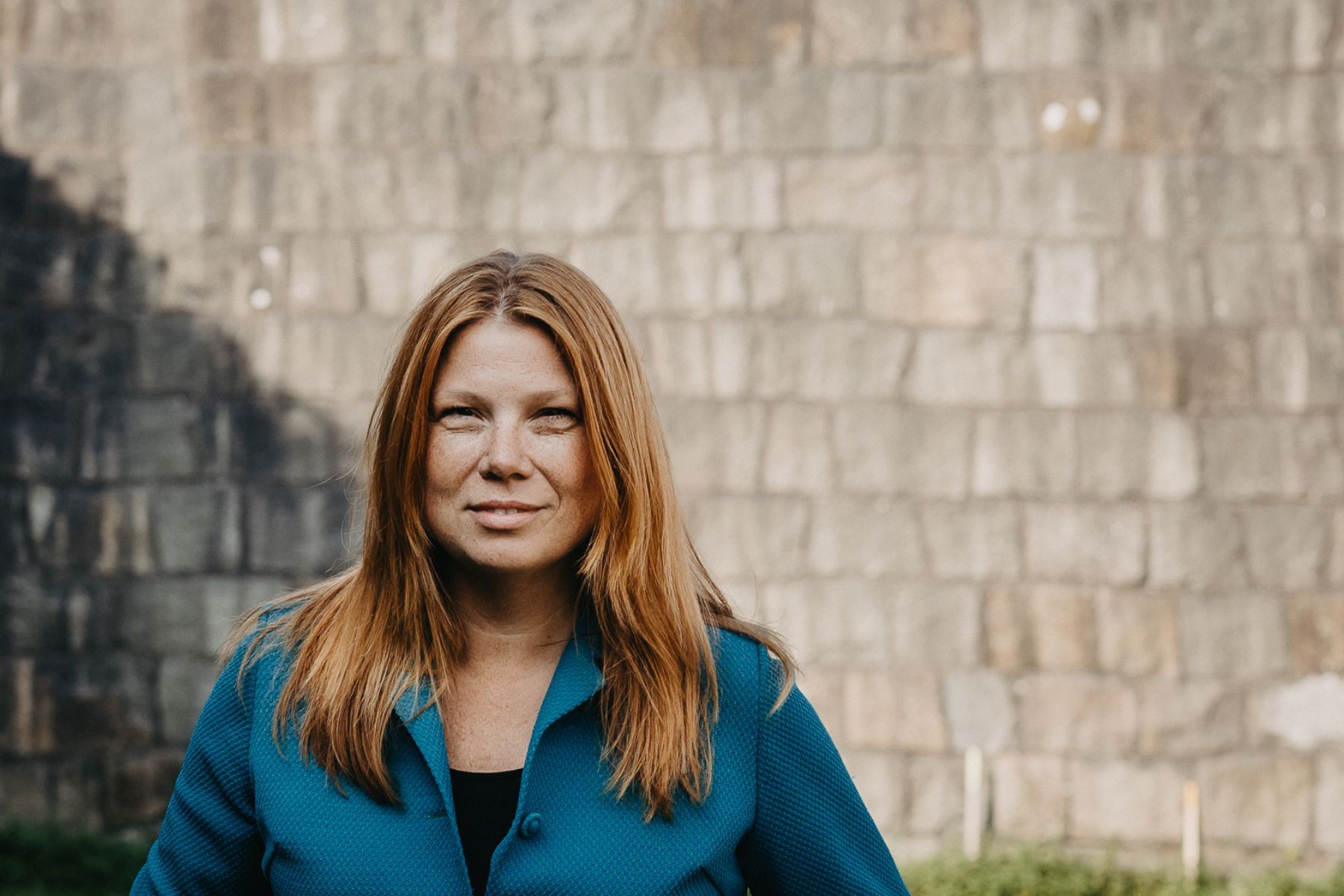
"Technology alone can’t create sustainable cities – people do. Even the best infrastructure or smartest mobility solution will fail if it doesn’t align with how humans actually behave. By using smart and timely nudges grounded in psychology and behavioural science, we can design cities and mobility systems that people naturally want to use, making sustainable choices easy," said Katharina Paoli Brunat, one of the experts in the report and CEO and founder of Nudgd, a Swedish company that has developed a SaaS nudging platform and helps organisations drive sustainability results through behavioural design.
So how can cities, founders, investors and other ecosystem players motivate people to shift their mobility habits? Here are some of the report’s key takeaways.
1. The 25% rule
A central question in behaviour change is when a new habit becomes self-sustaining within a community. According to the report, once 25% of a group adopts a new behaviour, it often triggers a ripple effect that pulls the rest along.
However, the tough part is getting to that tipping point. It is often better to start with the “low-hanging fruit” – people already open to change – rather than those most resistant. Think multimodal travellers who already mix driving with cycling or public transport, rather than individuals with long-standing, car-dependent routines.
Creating friendly competition can also help push a group past the tipping point, the report shows. For example, publicly comparing how different teams or neighbourhoods are performing in their shift toward sustainable modes.
2. Understanding people’s motivations
The report shows that shifting how people move begins with understanding what drives their decisions. People are more likely to adopt new mobility habits when they’re intrinsically motivated, feel capable of using an option, believe they have control over the journey, receive encouragement from others and set simple "if X then Y" plans that turn intention into action.
But an equally strong set of forces works against change. Deep habits, cognitive shortcuts, low confidence in alternatives, fear of discomfort or uncertainty, and the lack of immediate rewards all push people back toward familiar behaviours. The brain defaults to what it already knows – and driving a car or taking a cab fits neatly into that pattern.
Social context matters just as much, the report shows. New behaviours spread fastest within groups where people see their peers making similar choices and where those choices align with shared values. When sustainable mobility feels socially reinforced rather than individually imposed, it’s more likely to stick.
3. Nudging – the subtle shortcut
One tool in the toolbox for getting people to shift towards more sustainable behaviour is nudging. Rather than instructing people to behave differently, nudges tweak the choice environment so sustainable options feel easier and more intuitive.
They’re particularly effective at tackling the psychological barriers highlighted in the report: status-quo bias, low perceived control, fear of inconvenience and the lack of immediate rewards. A well-designed nudge simply lowers the threshold to try something new – whether that’s an e-bike, a mobility hub or public transport – and once that first experience is positive, the behaviour often sticks.
It takes a little time to break a pattern though. A behaviour change can be seen after about three months, according Nudgd’s data.
Overall, the report makes one thing clear: if we want people to choose sustainable mobility, we first need to understand the psychology behind their decisions. That’s also why EIT Urban Mobility, today Europe’s most active mobility investor, has made the intersection of mobility and health a strategic priority.
"I’m a firm believer that technology and behavioural change must go hand in hand”, says Katharina Paoli Brunat at Nudgd, which is also one of EIT Urban Mobility’s portfolio companies. "If we want real impact, we need investments where change truly happens – in humans."
Get full access to Europe's new platform for impact news
- Quality journalism, interviews, investor profiles and deep-dives
- Daily newsletter with top stories, latest funding rounds and roundup to keep you in the loop
About EIT Urban Mobility and this partnership
Founded in 2019 as an initiative of the European Institute of Innovation and Technology (EIT), a body of the European Union, EIT Urban Mobility accelerates the sustainable urban mobility transition by providing established businesses, startups, universities, research institutes and the public sector with access to markets, talent, funding and knowledge.
As the most active mobility investor, EIT Urban Mobility has supported over 520 startups in 39 countries and invested close to €30M. Via their network of more than 1,200 stakeholders, the organisation connects startups with the right stakeholders in the private and public policy sector, at regional, national and European levels.
Read more about EIT Urban Mobility here – and feel free to reach out!
Keep reading – get in the loop!
- Håll dig i loopen med vårt dagliga nyhetsbrev (gratis!)
- Full tillgång till daglig kvalitetsjournalistik med allt du behöver veta inom impact
- Affärsnätverk för entreprenörer och investerare med månatliga meetups
Fortsätt läsa – kom in i loopen!
- Håll dig i loopen med vårt dagliga nyhetsbrev (gratis)!
- Full tillgång till daglig kvalitetsjournalistik med allt du behöver veta inom impact
- Affärsnätverk för entreprenörer och investerare med månatliga meetups
More articles:

Electric truck maker Einride appoints former US security chief to board as it pushes into defence