

This investor watched climate tech startups run out of equity, so he founded a fintech to help them raise debt
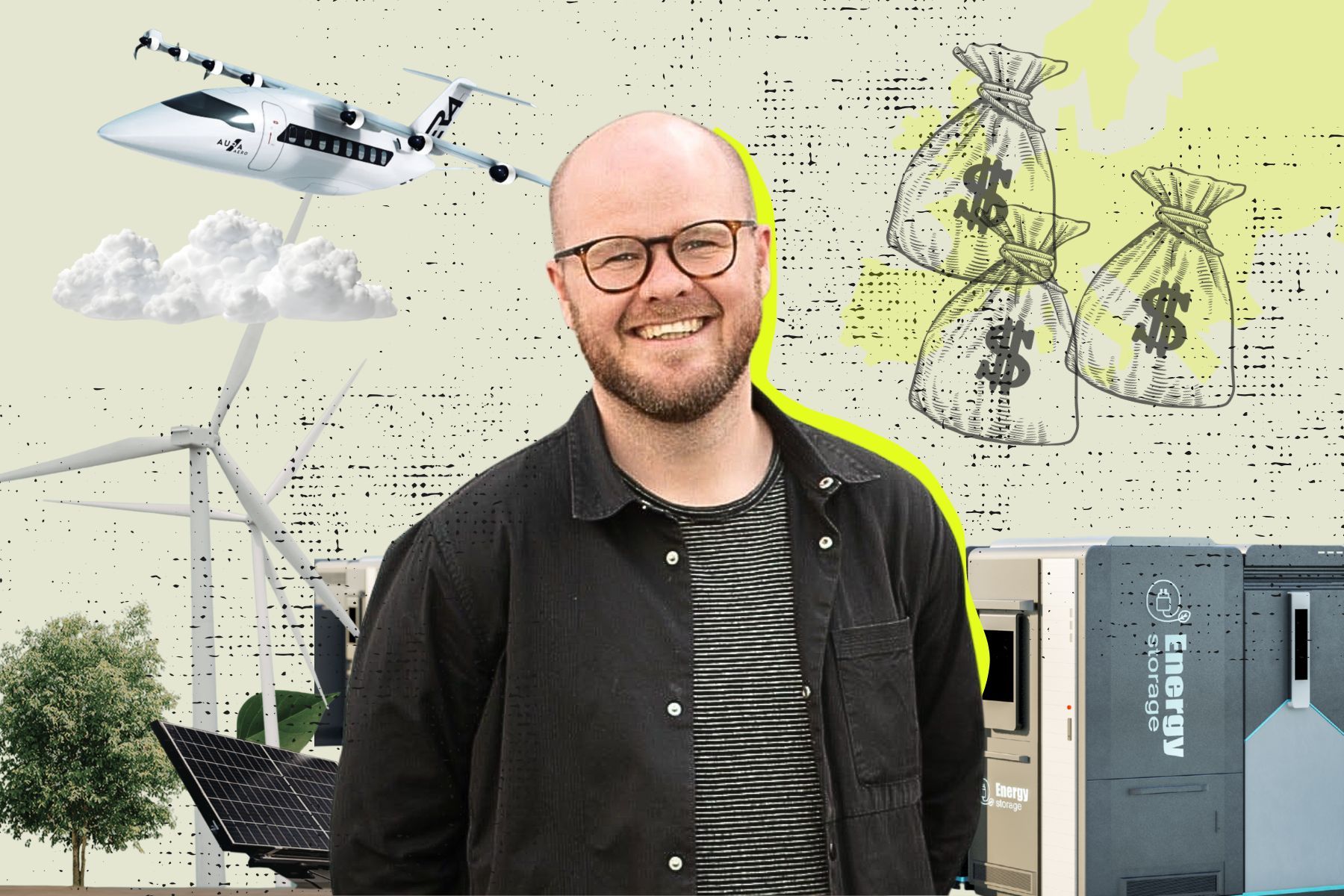
A software startup just raised equity – including from Pale Blue Dot and MMC – to help hardware startups access more debt. <br><br>We caught up with William Godfrey, the VC-turned-founder behind Tangible, to hear why he thinks structured finance could be the lifeline climate and deep tech companies have been missing.
.png)

William Godfrey has seen enough climate hardware startups die to spot a pattern.
Before launching Tangible in 2021, a London-based fintech building tools to help hardware startups access debt financing, Godfrey spent years in venture capital at founder-led venture studio Founders Factory.
Along the way, he watched promising companies collapse, not necessarily because the technology didn’t work, but because their financing did.
“I was on the board of a few famous-ish hardware failures,” he told Impact Loop. “And when I did the post-mortem of those companies, I realised that capital structuring was a much bigger component than we were currently giving any time to.”
Godfrey’s frustration grew as he watched VC increasingly drift toward what he calls “over-optimisation” of business models, favouring repeatable SaaS revenue over hardware innovation.
“A lot of the world’s biggest problems need to be solved by hardware,” he said, pointing to energy security, reindustrialisation, and supply chain resilience. “But VC just does this thing where you end up only funding these quite ridiculous, boring B2B SaaS companies.”
That was his driving motivation to launch Tangible in 2021 alongside Aishwarya Dahanukar, an investment banker, and fellow Founders Factory alum Sebastian Abdy Saboune. The startup recently secured €4.3m in a funding round led by Swedish VC Pale Blue Dot, with participation from MMC, Future Positive Capital, Unruly, SDAC, Prototype Capital and Aperture.
The irony of Tangible raising equity to help other startups raise less equity – or rather, more debt – is not lost on Godfrey. But he believes its the right approach for his startup.
"We feel like our funding stack is appropriate for our business,” he says. "We have no CapEx. We are pure play fintech company."
The bigger problem, he argues, is that many climate and industrial startups are operating with “very inappropriate” capital stacks, leaning heavily on equity even when their models require large amounts of upfront spending.
In his view, the issue is not that venture capital is bad. It is that too many climate and hard tech startups are forced to rely on it exclusively.
Unlocking debt at the early-stage
Tangible has built a platform designed to help founders navigate the world of structured finance. It is a notoriously paperwork-heavy universe of asset-backed lending, SPVs, covenants, reporting requirements, and legal frameworks.
Tangible’s platform aims to speed up the process by helping startups assemble the contracts, templates, and reporting systems lenders expect. It also provides a collaborative diligence layer, where funds can interrogate risks in a more structured way.
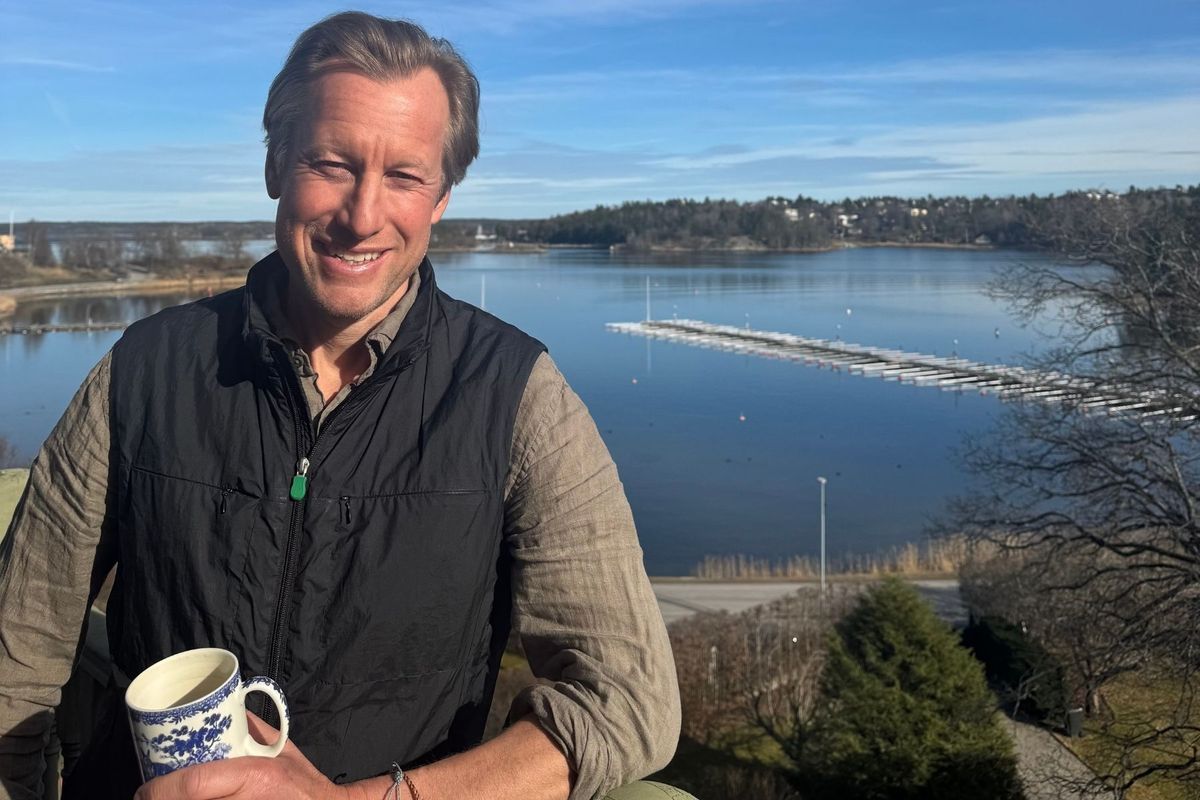
Hampus Jakobsson, general partner at Pale Blue Dot, said he believes helping hardware founders unlock debt financing will be an important part of scaling climate and deep tech.
“It is clear that most of the innovations shaping the future, from vehicles and data centres to robotics, are fundamentally physical," he says. "And, to enable efficient innovation they should not be financed by venture equity alone."
Godfrey believes the timing is right to funnel more debt into early-stage hardware ventures.
Private debt is “one of the world’s fastest growing financial sectors,” he said, as investors push credit funds to seek higher yields in newer markets like climate hardware.
Debt comes with conditions
Still, Godfrey is not all rosy-eyed about the nature of debt financing.
Debt providers want proof they will get repaid. That means detailed diligence, strict rules, and operational maturity.
“If you install your battery on someone else’s land, what is the legal process for repossessing that asset if they don’t pay within seven days?” Godfrey says, pointing to the kinds of questions that can make or break a financing deal.
Miss a covenant or payment, and the consequences are a lot more severe than with equity.
"It [debt] requires with a different mindset," Godfrey says. "And one that many founders struggle to adopt."
For Tangible, the ambition is not to replace venture capital, but to help climate tech startups graduate beyond it.
Get full access to Europe's new platform for impact news
- Quality journalism, interviews, investor profiles and deep-dives
- Daily newsletter with top stories, latest funding rounds and roundup to keep you in the loop
Keep reading – get in the loop!
- Håll dig i loopen med vårt dagliga nyhetsbrev (gratis!)
- Full tillgång till daglig kvalitetsjournalistik med allt du behöver veta inom impact
- Affärsnätverk för entreprenörer och investerare med månatliga meetups
Fortsätt läsa – kom in i loopen!
- Håll dig i loopen med vårt dagliga nyhetsbrev (gratis)!
- Full tillgång till daglig kvalitetsjournalistik med allt du behöver veta inom impact
- Affärsnätverk för entreprenörer och investerare med månatliga meetups