

VCs who don't use AI tools will fall behind, says Hitachi Ventures investor

A prominent climate tech investor thinks venture capitalists who aren't using AI will lose deals to those who are, but warns the technology may reduce demand for junior analysts.<br><br>"You will see leaner and leaner teams," Mascha Bonk, senior associate at Hitachi Ventures, tells Impact Loop.
.png)

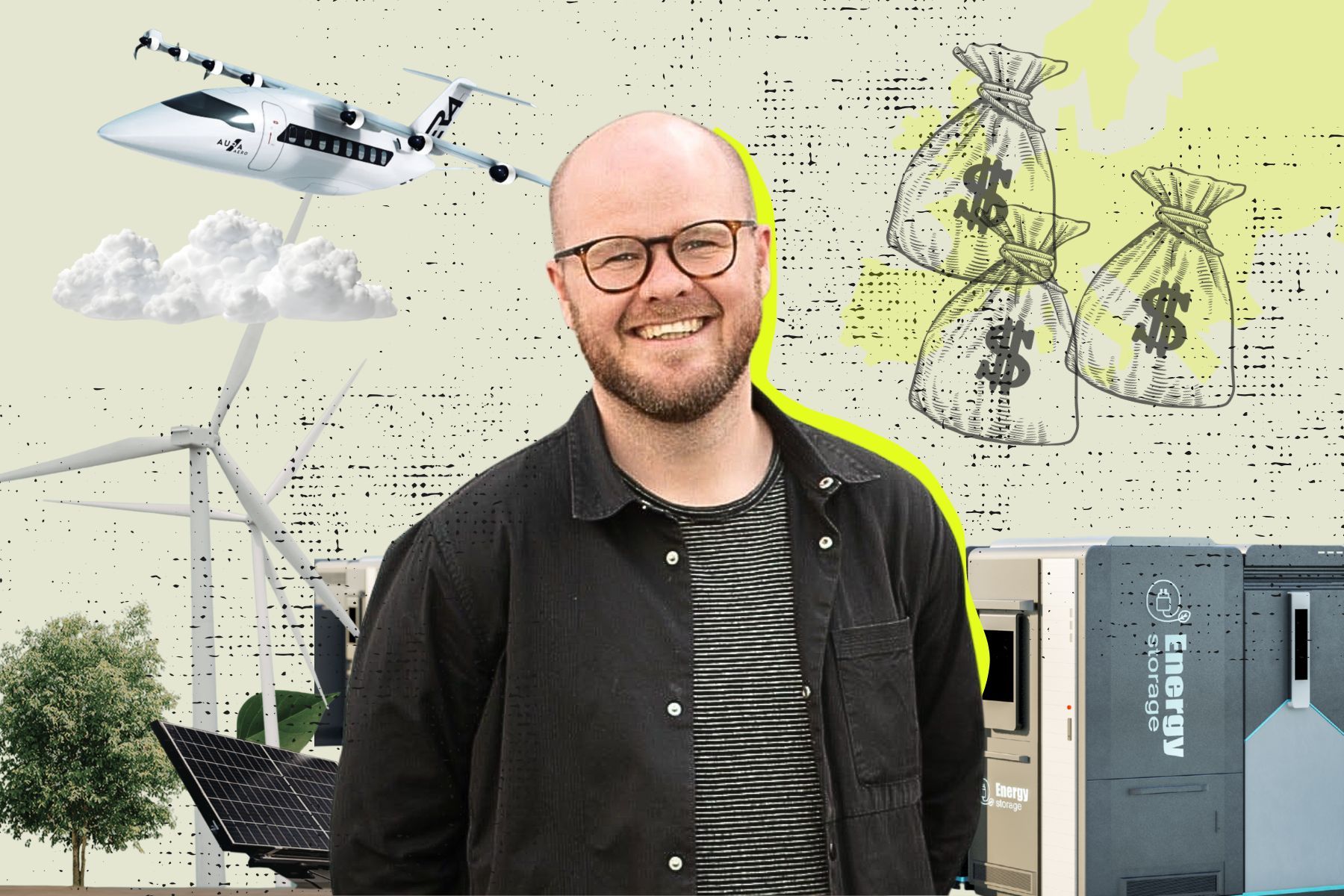
Mascha Bonk, who covers climate and energy investments at Hitachi Ventures, the CVC arm of the Japanese industrial giant, says funds that fail to embed AI into their workflows risk being left behind.
"To stay competitive as a VC, you need to incorporate AI," Bonk tells Impact Loop in an interview. "Otherwise other investors will spot opportunities much faster than you do."
At Hitachi Ventures, which deploys from a €400m fourth fund across climate, industrial, digital and healthcare, artificial intelligence is already well embedded.
The team uses Anthropic's Claude for sourcing, outreach, and due diligence, Granola for meeting notes that feed directly into their Affinity CRM, and Harmonic AI for deal discovery. They have also been experimenting a lot recently with Claude Code, says Bonk.
The investor notes a clear migration in recent months from OpenAI’s ChatGPT to Claude, which saw a surge in users following Anthropic's refusal to let the US government use its AI models for mass domestic surveillance.
"Everyone I know is moving to Claude," Bonk says.
VC's rapid adoption of AI
Hitachi Ventures is not alone in its embrace of artificial intelligence.
The number of VC firms actively embedding AI and automation into their processes has nearly doubled in just two years, according to the 2025 Data Driven VC landscape report.
As the technology becomes more widespread, Bonk says she has seen a shift in how AI is perceived across the industry.
"When ChatGPT first came out, everyone was using it but tried to keep it hush-hush," Bonk says. "Now, if you tell your VC friends you're not really using AI, they look at you like, what?!"
Bonk also says she expects founders to use AI as well, regardless of which sector they operate in.
"If any founder tells me they haven't thought about AI, that would be a big, big red flag," she says.
Overall, Bonk says AI has made her team faster at sourcing deals, leaner in due diligence, and freed them from routine tasks that once consumed much of an analyst's time. But she also touches of some potential risks.
The potential tradeoffs
Bonk, who began her career as a junior analyst at Ananda Impact Ventures, says she believes that roles like the one she once held will shrink.
"The VC industry is definitely one that will become highly affected by the developments of AI," she says. "You will see leaner and leaner teams."
But she stops short of calling it outright job loss.
"The threat isn't that AI replaces you," she says. "It's that someone who uses AI well replaces you."
On whether AI is net positive or negative for the climate transition itself – the very sector she backs – she's cautious to draw any firm conclusions.
"It's very easy to make a case for it and simultaneously easy to make a case against it," she says. "I hope it's positive. But I think it's too early to tell."
Get full access to Europe's new platform for impact news
- Quality journalism, interviews, investor profiles and deep-dives
- Daily newsletter with top stories, latest funding rounds and roundup to keep you in the loop
Keep reading – get in the loop!
- Håll dig i loopen med vårt dagliga nyhetsbrev (gratis!)
- Full tillgång till daglig kvalitetsjournalistik med allt du behöver veta inom impact
- Affärsnätverk för entreprenörer och investerare med månatliga meetups
Fortsätt läsa – kom in i loopen!
- Håll dig i loopen med vårt dagliga nyhetsbrev (gratis)!
- Full tillgång till daglig kvalitetsjournalistik med allt du behöver veta inom impact
- Affärsnätverk för entreprenörer och investerare med månatliga meetups
More articles:

UK fund-of-funds secures £130m to back diverse investment teams: ‘We want to generate alpha for investors’