

Why the impact narrative fails with institutional investors – and what needs to change

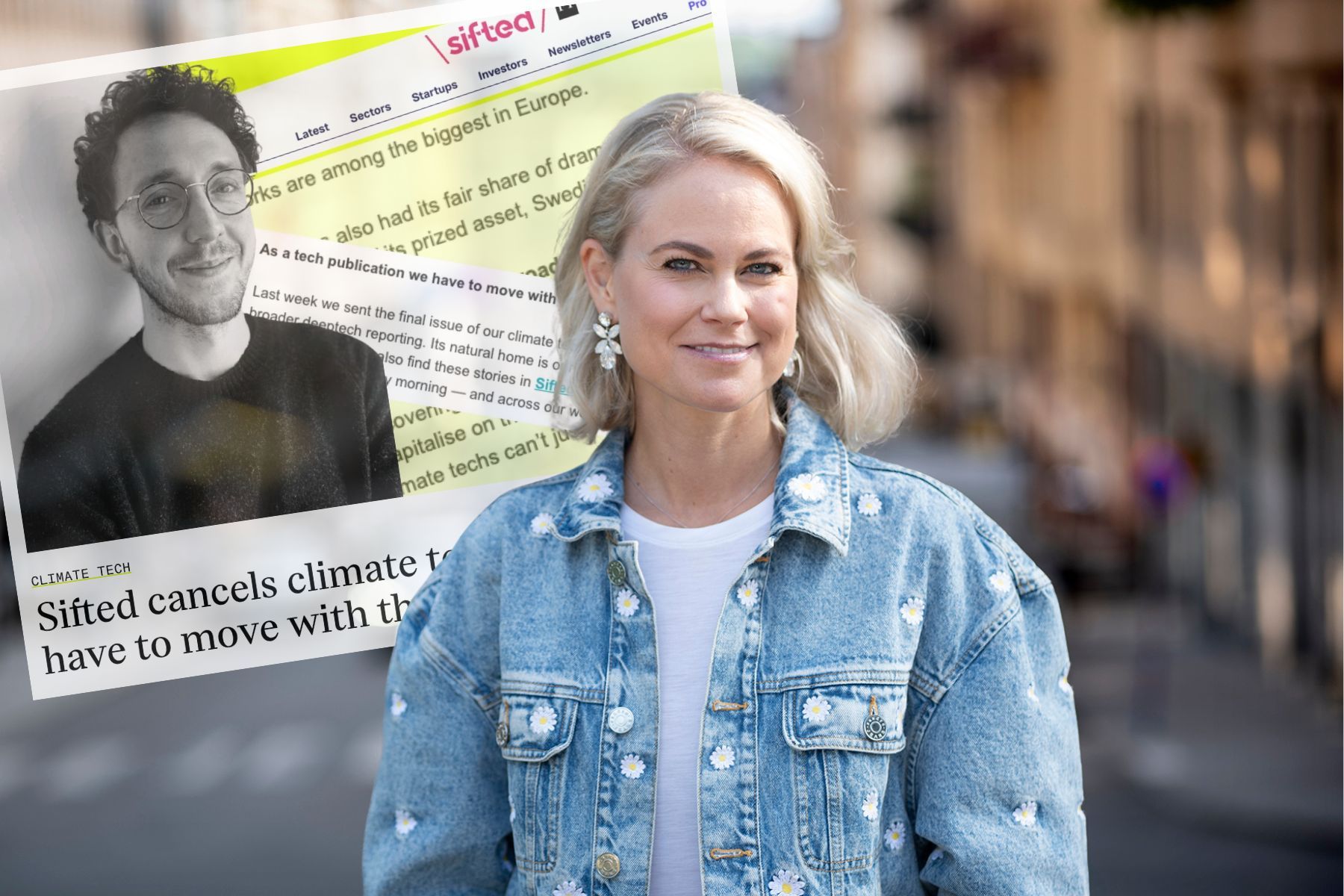
Impact has been sold to institutional investors as an opportunity. It should have been sold as risk management, argues Catharina Schröder, founder and CEO of Schröder Invest.

For years, impact has been framed as an opportunity, a way to generate measurable social or environmental benefits alongside competitive financial returns.
Too often, however, impact has been treated within portfolios as a separate allocation, a dedicated strategy, or even a trade-off. That framing is no longer sufficient. In many institutional contexts, it has become counterproductive.
In my work with venture capital funds, family offices, and institutional investors across Europe, I repeatedly encounter the same pattern: capital is not effectively directed and aligned with long-term risks and opportunities.
'Impact should be understood as risk management.'
One key issue is that the traditional impact narrative repeatedly fails to resonate with institutional investors. Not because the intent is lacking, but because the framing does not align with how these institutions are mandated to operate.
Institutional investors are not setup to pursue impact as an ambition in itself. They are mandated to deliver stable, long-term, risk-adjusted returns. And that is precisely why the conversation must evolve.
Impact should not be framed as intention. It should be understood as risk management.
Impact as risk
Climate and nature-related risks are no longer externalities. They are financially material. They affect supply chains, infrastructure resilience, insurance costs, asset valuations, and ultimately, portfolio performance. Ignoring them is not neutrality; it is a mispricing of risk.
You cannot manage what you do not measure. And increasingly, you cannot model returns without systematically accounting for climate and nature risk. That is where the real shift lies.
Reframing impact as a driver of risk mitigation and resilience aligns the conversation with fiduciary duty. It moves us from storytelling to financial logic, from intention to performance.
Rather than sitting in a separate allocation, impact considerations are increasingly becoming part of core investment decision-making.
The urgency of the moment
This shift is particularly urgent in Europe. European pension funds manage over €3 trillion in assets, yet only around 0.02% is allocated to venture capital.
Despite growing calls from policymakers and venture capital firms alike, capital is not flowing at the scale required, particularly not into impact-driven innovation. Europe risks leading in narrative while lagging in execution.
The recent pullback from sustainability commitments across both boardrooms and politics only reinforces the urgency. Climate change, biodiversity loss, and pollution are only getting worse. The institutions best placed to fund solutions to these risks are the same ones currently misreading them as externalities.
Reframing impact as risk is the precondition for capital to move at the scale the moment requires.
Get full access to Europe's new platform for impact news
- Quality journalism, interviews, investor profiles and deep-dives
- Daily newsletter with top stories, latest funding rounds and roundup to keep you in the loop
Keep reading – get in the loop!
- Håll dig i loopen med vårt dagliga nyhetsbrev (gratis!)
- Full tillgång till daglig kvalitetsjournalistik med allt du behöver veta inom impact
- Affärsnätverk för entreprenörer och investerare med månatliga meetups
Fortsätt läsa – kom in i loopen!
- Håll dig i loopen med vårt dagliga nyhetsbrev (gratis)!
- Full tillgång till daglig kvalitetsjournalistik med allt du behöver veta inom impact
- Affärsnätverk för entreprenörer och investerare med månatliga meetups
More articles:
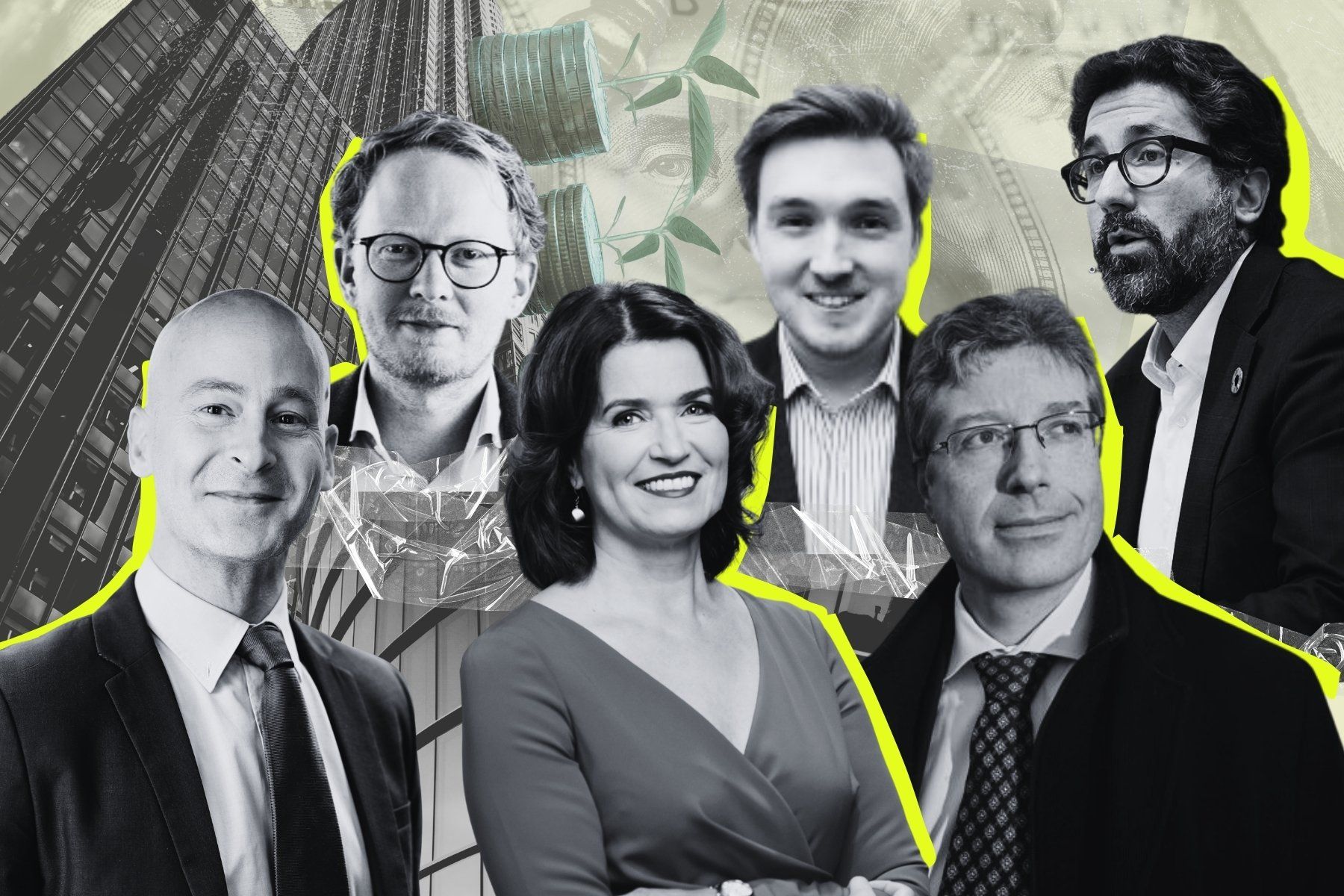
Impact investors want pension funds to put more cash into venture. These 10 already are



.avif)