

European VC returns are dead. Here's how we fix them
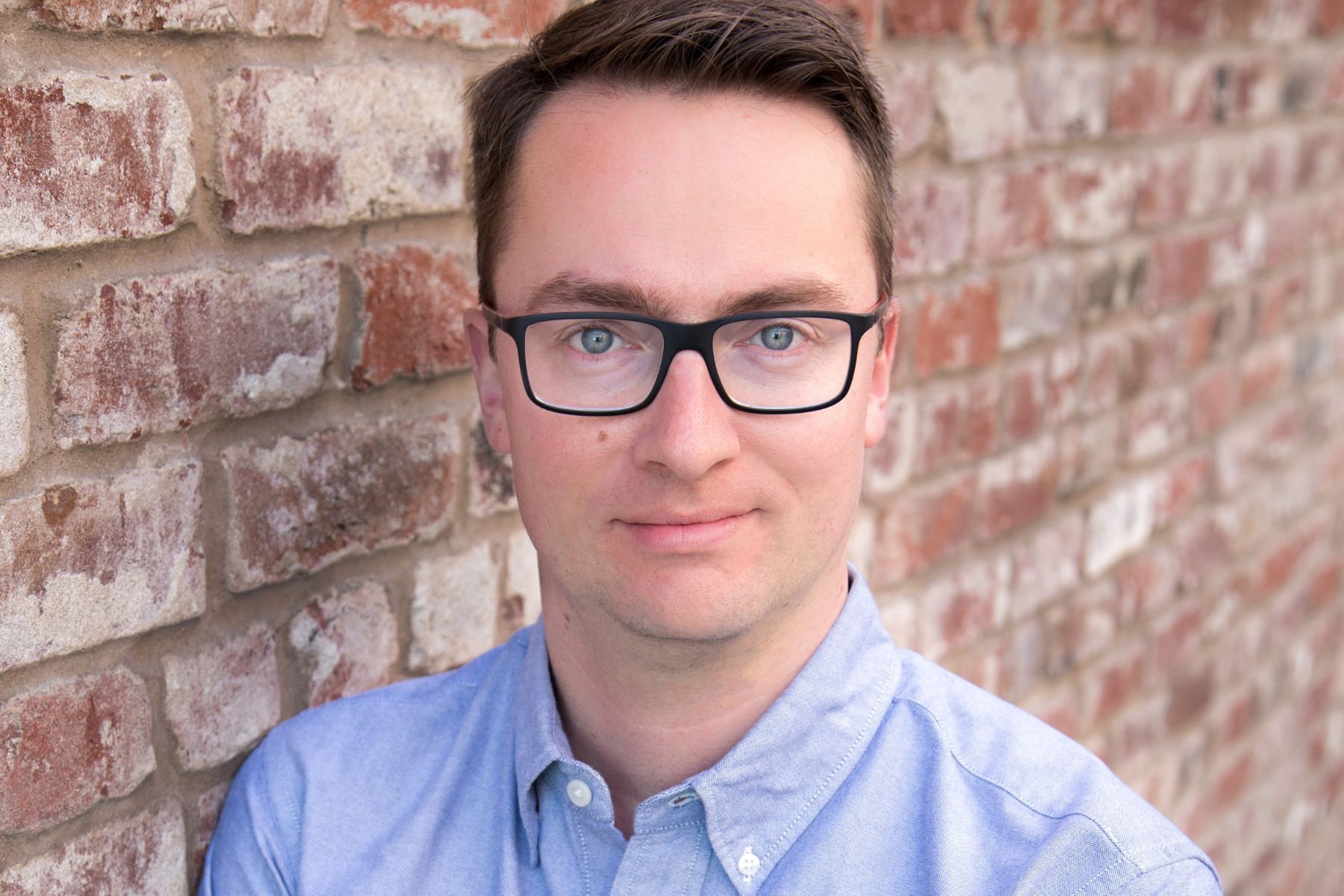
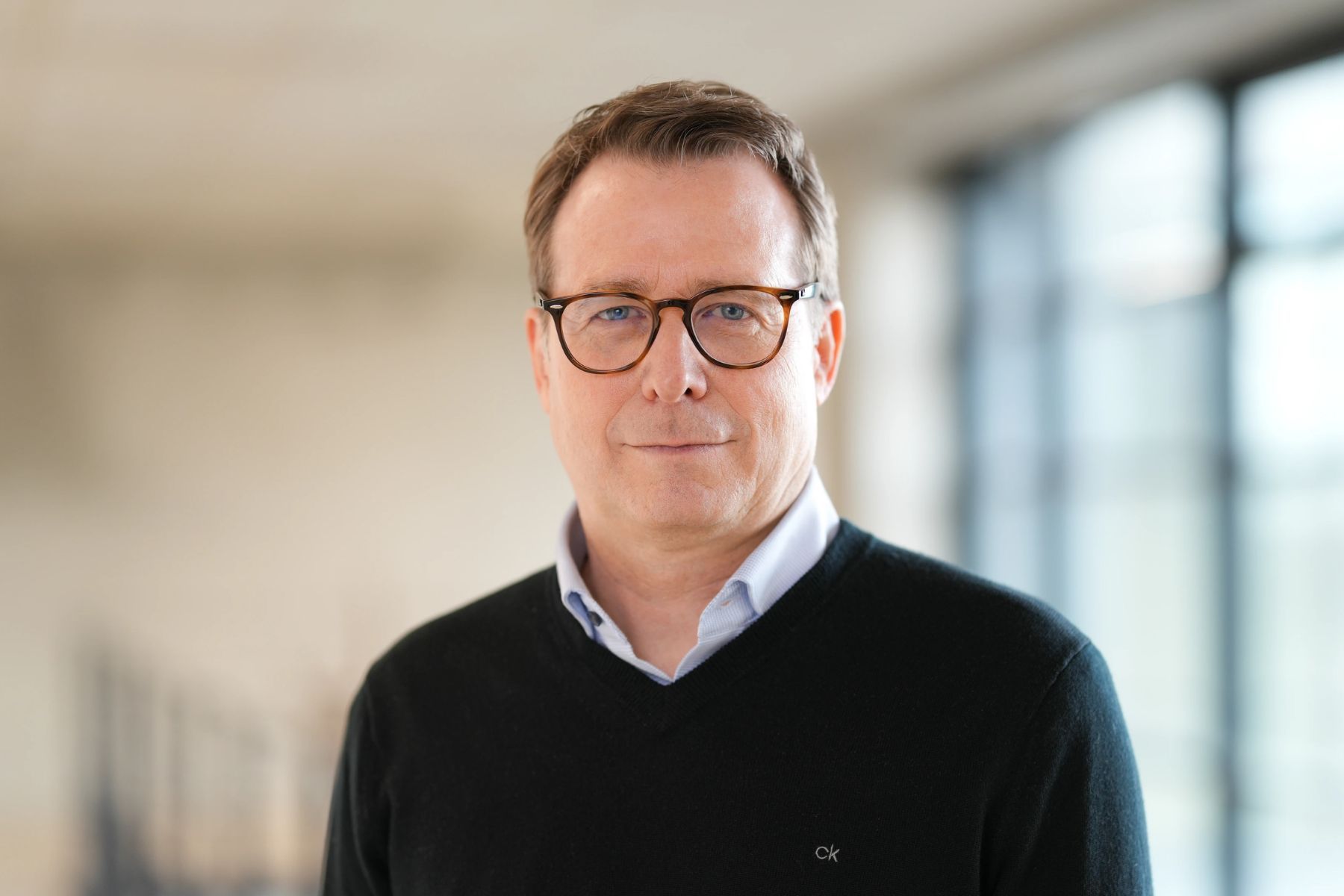
European venture capital is in trouble, as hype-driven investing and old networks crowd out new founders and fund managers, writes Torsten Kolind, founding partner at Underground Ventures.


European venture capital is in a deep crisis. Total funds raised are down by roughly two-thirds from their 2021 peak, and first-time funds have fallen to less than half of previous levels, according to Preqin research. Returns are weak, exits are scarce, and LP appetite is drying up.
Here’s the not-so-great cycle Europe has locked itself into:
- European VCs repeat the latest buzzwords they’ve picked up in San Francisco.
- Founders try their best to fit the VC mould. If their company name wasn’t “.ai” before, it probably is now.
- Startups raise money and grow, but fail to succeed in real markets.
- As a result, few companies manage to sell or IPO.
- VCs don’t return capital to their LPs.
- LPs stop committing new money – and suddenly, no one can raise a fund in 2025.
In a functioning market, this kind of behaviour would correct itself. Bad strategies would fail. VC firms would close. Capital would move elsewhere.
That hasn’t happened in Europe, largely because of government money.
The safety net
Over the past 20 years, European VCs have successfully argued that public capital is needed to compete with US startups and investors. The result is an ecosystem unusually dependent on the state. In 2023, 37% of capital invested into European VC funds came from government sources, according to research from Invest Europe. In the US, that figure is close to zero.
This has kept the system alive but also allowed it to avoid accountability.
One of the biggest misconceptions in venture capital is that startups and VCs are trendsetters. They’re not. They follow incentives.
If LPs and governments say they want exposure to AI-shaped narratives, that’s what VCs will call themselves – and what founders will pivot towards. Just look at how quickly European “climate VCs” rebranded as “resilience VCs” once US political leadership dismissed climate change as a woke issue.
The real responsibility lies with the two groups funding more than half of European venture capital: family offices and governments.
Family offices should take a long, hard look at why they are investing in venture capital at all. If the goal is long-term returns and impact, the current approach makes little sense. Most family offices continue backing the same fund managers based on outdated traction and outcomes – often decisions made more than 15 years ago – rather than mapping investments to the long-term future they claim to care about.
Invest in founders and fund managers who look like the future
As taxpayers, we should also demand more from our governments. This is not about “competing with Silicon Valley”. It’s about building future products, jobs, impact, and tax revenues in Europe.
In fact, a stronger approach may be to stop investing tax money in VC funds altogether. Instead, governments should focus on tax credits, incentives, and regulatory reform for companies building the future economy. If VCs truly do what they promise in their pitch decks, they should benefit from that environment anyway.
If the answer is “invest in our future”, what does that mean in practice?
First, invest in products that define our future. AI is already here, and should not be an investment thesis for anyone. Technology has been reshaping our lives for decades. What’s new, and urgent, is how aging populations live healthier lives, how we coexist with billions of people on a crowded planet, and how science and facts, rather than power grabs and advertising, shape decision-making.
Second, invest in markets that function regardless of who is in power. Affordable, renewable, dependable energy will matter in any future. So will food systems, healthcare, and scalable transport. These markets will still exist long after the AI bubble bursts.
Third, invest in founders and fund managers who look like that future. Women, engineers, immigrants, and builders – even if they don’t pitch like a pro. That requires looking beyond the familiar middle-aged male repeat SaaS founder spotted at the last invite-only Slush side event.
I invest in areas like renewable energy and women’s health because they will matter in the long term. One day, I hope our tax dollars and billionaires will do the same.
If they do, European venture capital might finally start generating returns again.
Get full access to Europe's new platform for impact news
- Quality journalism, interviews, investor profiles and deep-dives
- Daily newsletter with top stories, latest funding rounds and roundup to keep you in the loop
Keep reading – get in the loop!
- Håll dig i loopen med vårt dagliga nyhetsbrev (gratis!)
- Full tillgång till daglig kvalitetsjournalistik med allt du behöver veta inom impact
- Affärsnätverk för entreprenörer och investerare med månatliga meetups
Fortsätt läsa – kom in i loopen!
- Håll dig i loopen med vårt dagliga nyhetsbrev (gratis)!
- Full tillgång till daglig kvalitetsjournalistik med allt du behöver veta inom impact
- Affärsnätverk för entreprenörer och investerare med månatliga meetups
More articles:
JUST IN: EU considers extending 'meaty labels' ban to lab-grown products