

Listed Swedish manufacturer looks to bring circuit board production back to Europe

Industrial electronics manufacturing is being quietly reshaped as supply-chain resilience and regionalisation move up the agenda.<br><br>Parts of the printed circuit board value chain are shifting closer to end markets in Europe – a development that could favour Sweden-based Mycronic, a supplier of mission-critical production equipment.


This is a paid collaboration with Kista Limitless. Want to get to know Kista as an innovation hub? Check out the new kista.io!
Mycronic’s facility sits in the heart of Kista, a deeptech hub in the north of Stockholm which has evolved from a telecoms stronghold into a cluster for industrial innovation. The plant is designed for large-scale industrial production, as Mycronic scales up advanced equipment for printed circuit board manufacturing – reflecting broader structural shifts in the global supply chain.
Printed circuit boards – or PCBs for short – underpin virtually all modern electronics, enabling components to communicate and function as a system.
Bringing PCB production back to Europe
Mycronic doesn’t actually make the circuit boards themselves, but the equipment to manufacture them. To the untrained eye, the machines resemble oversized office printers. In practice, each system can cost several hundred thousand euro.
Metal chassis arrive at the factory from a supplier in southern Sweden, forming the load-bearing frames of each machine. After inspection, modules are added according to customer requirements for PCB assembly lines – a process that typically takes around three days.
The customer base is global, and only an estimated 5% of Mycronic’s output ends up on the Swedish market.
We’re seeing a trend towards reshoring PCB production to Europe
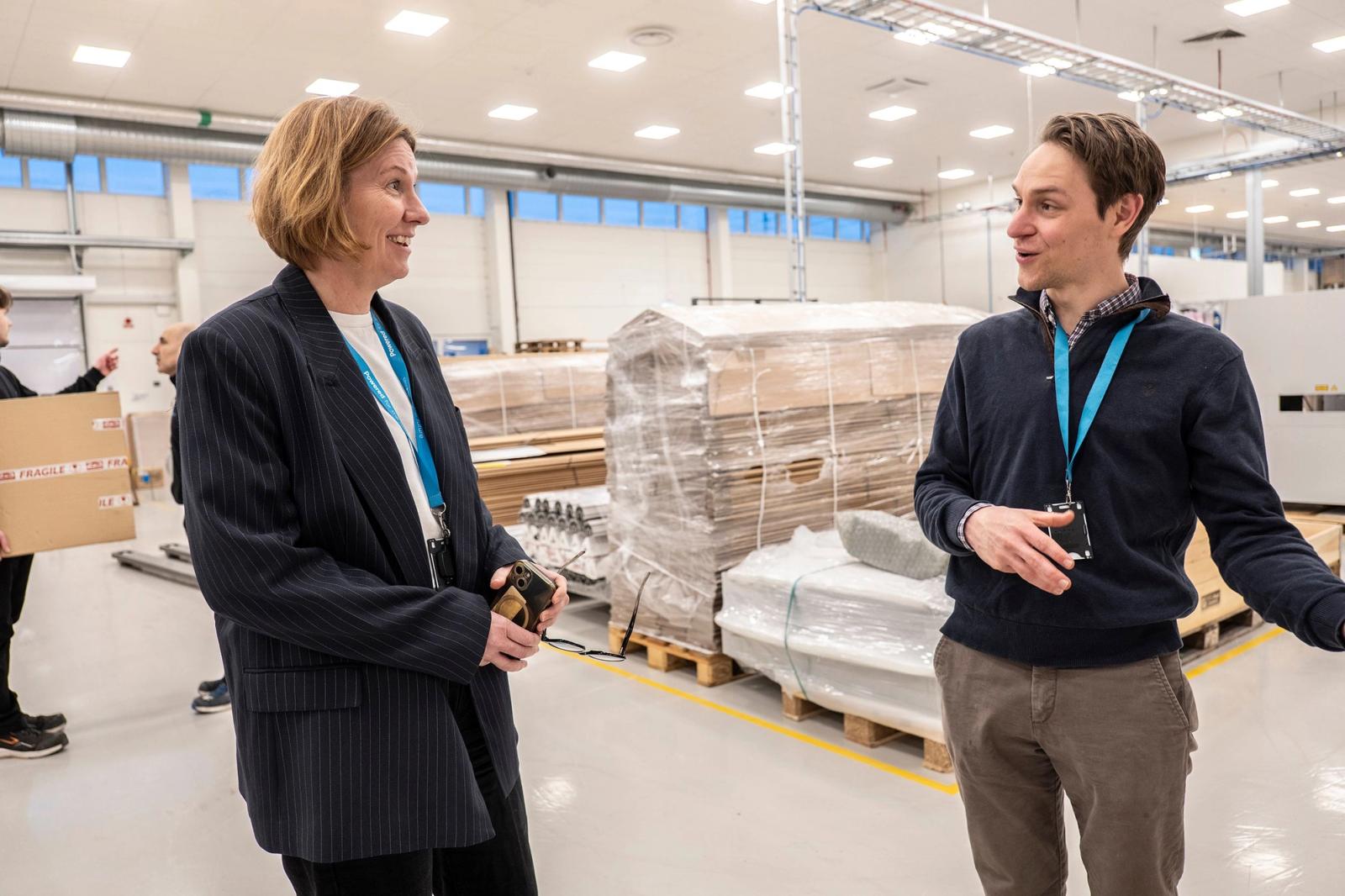
“Europe and the US are our largest markets, but we also have many customers in China and other parts of Asia. At the same time, we’re seeing a trend towards reshoring PCB production to Europe, which benefits us,” says Cathrine Lindvall McKnight, Operational Manager at PCB Assembly Solutions, as she walks through the production floor.
Precision as a competitive moat
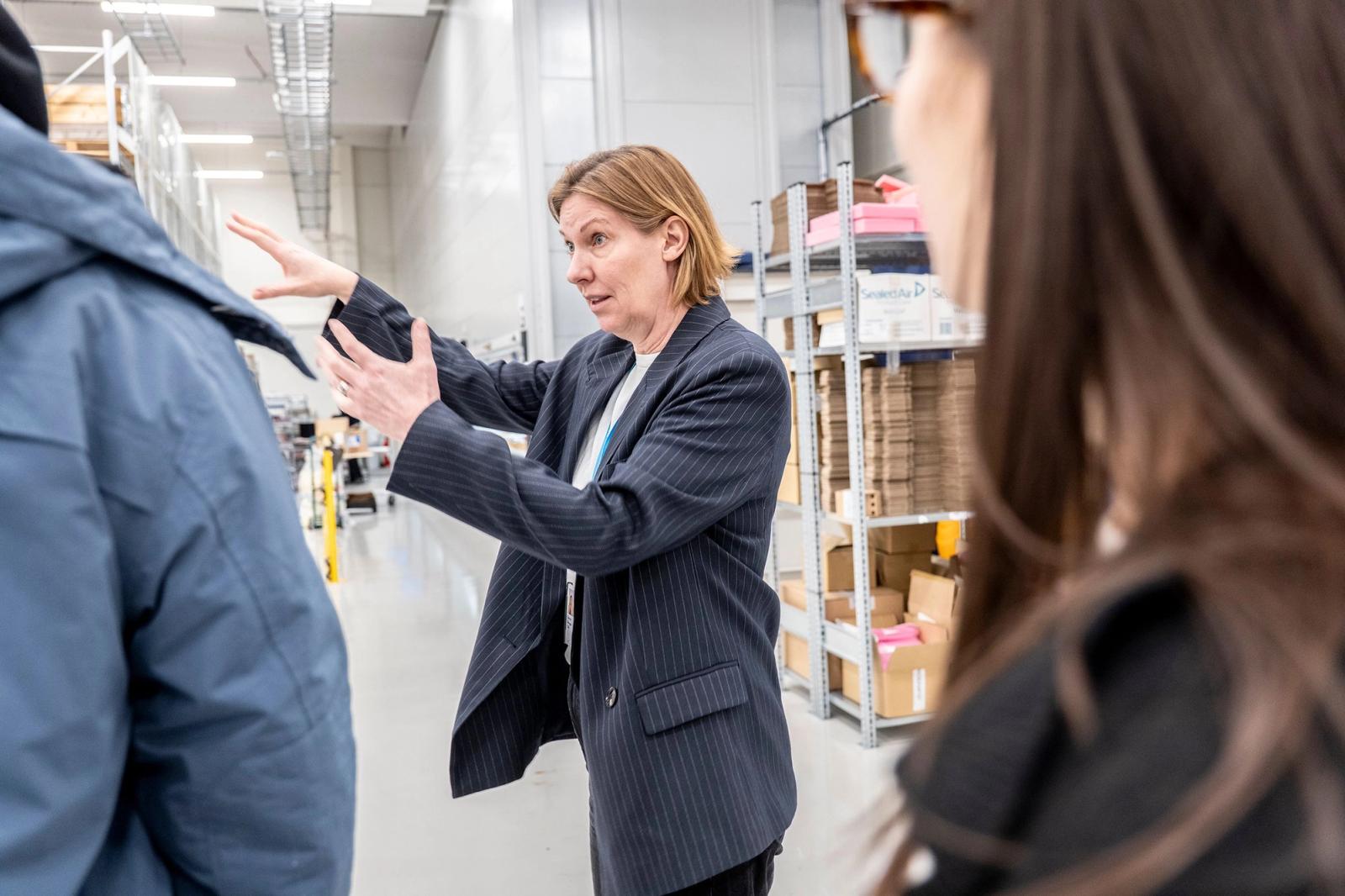
Operating in a precision-critical industry, Mycronic has streamlined how development, testing, and manufacturing interact – shortening lead times and strengthening operational execution.
“When development, labs, training and manufacturing sit side by side, we can test, adjust and improve much faster,” says Lindvall McKnight “That makes us both more innovative and more competitive.”
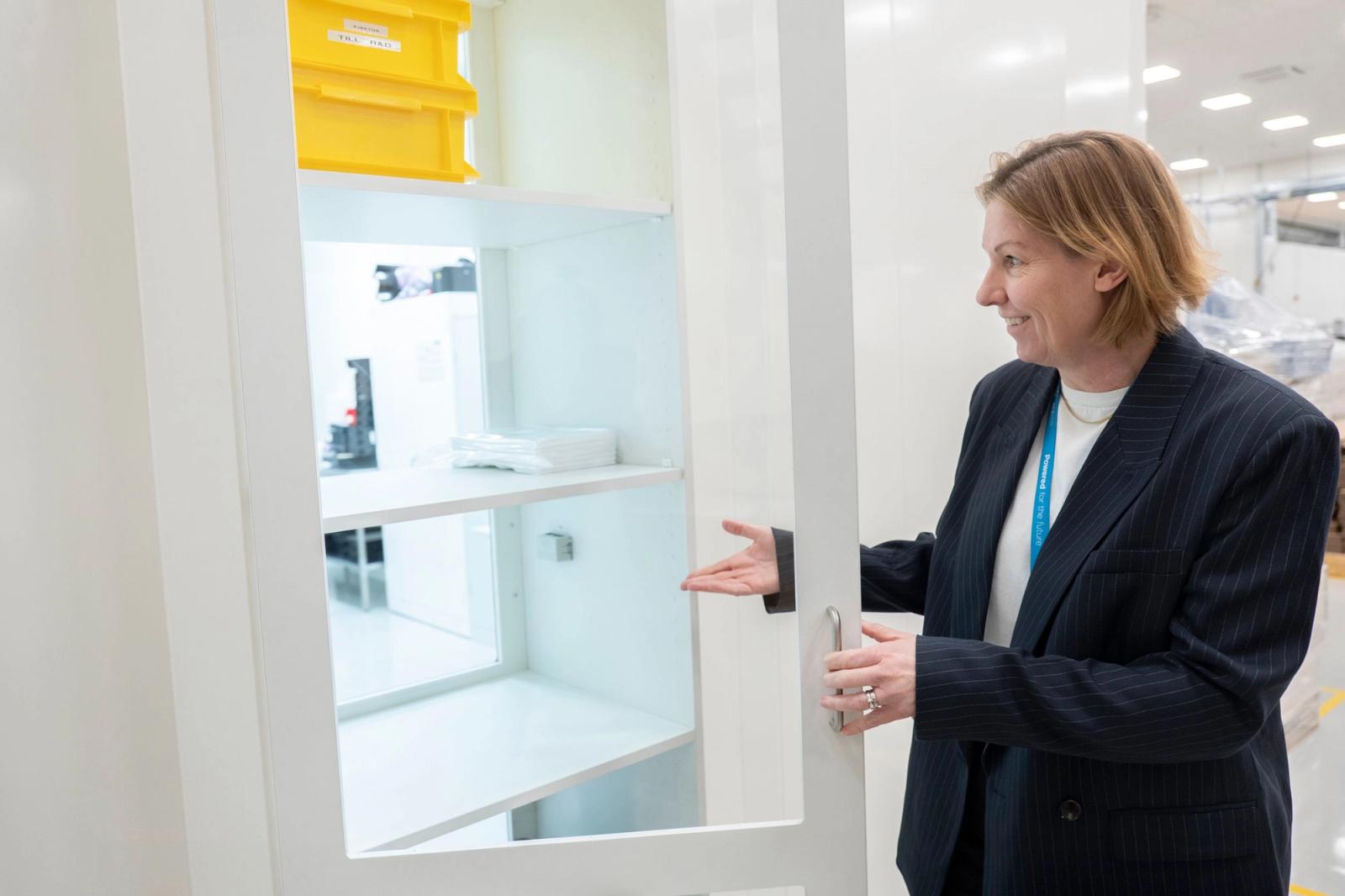
A dedicated cleanroom is used to manufacture sensitive cameras for inspection machines that ensure the precise application of solder paste – known in the industry as Solder Paste Inspection, or SPI. Even minor deviations at this stage can materially impact yield and performance.
The cleanroom also produces ejectors for Mycronic’s jet printer machines, which are manufactured in Japan. By enabling software-controlled, highly precise solder deposition, these systems allow customers to increase both speed and flexibility in PCB production.
“That’s an area where we’re unmatched,” Lindvall McKnight says, pointing to rising demand for throughput without sacrificing precision.
New customer segments emerging
Mycronic may fly somewhat under the radar in Sweden’s tech scene, but the company reported net sales of SEK 7bn (~€600m) in 2024 and appears on track to reach SEK 7.5bn (~€650m) in 2025. While demand from traditional PCB manufacturers remains stable, new customer segments are emerging as resilience and regionalisation climb the agenda.
“We’re seeing growing interest from players in pharmaceuticals, defence and space. We’re also moving into a mid-volume segment that we haven’t really addressed before.”
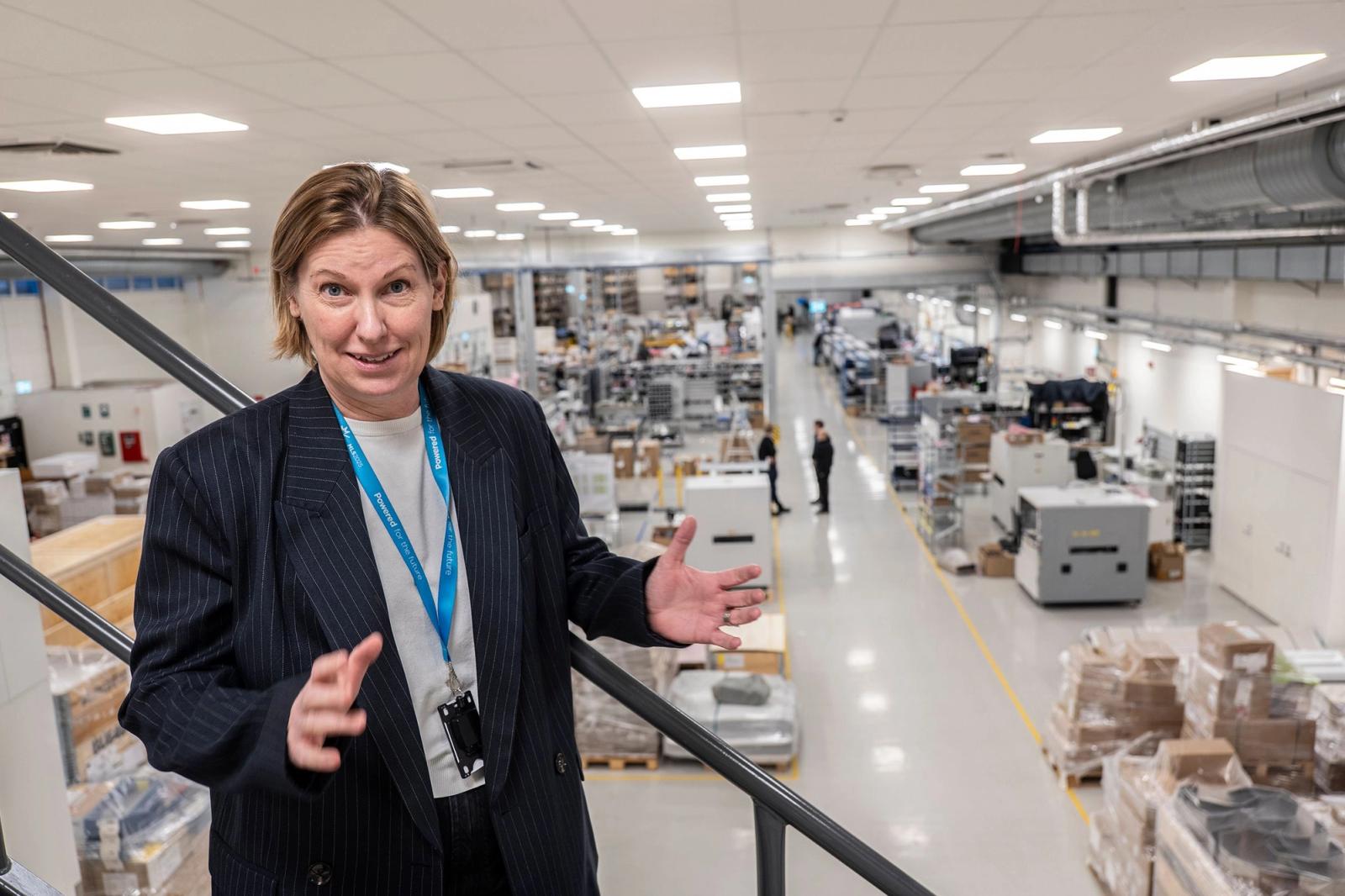
For Mycronic, the expanded production setup strengthens its position as electronics manufacturing moves closer to end markets. Across the same ecosystem, Sweden’s state-backed research institute RISE has expanded its power semiconductor capabilities after taking over advanced equipment from a US player – reflecting a broader transatlantic realignment and Europe’s drive to build domestic capacity in critical electronics technologies.
“Having everything in one place with efficient flows makes a huge difference. To compete globally, security, quality and efficiency are critical.”
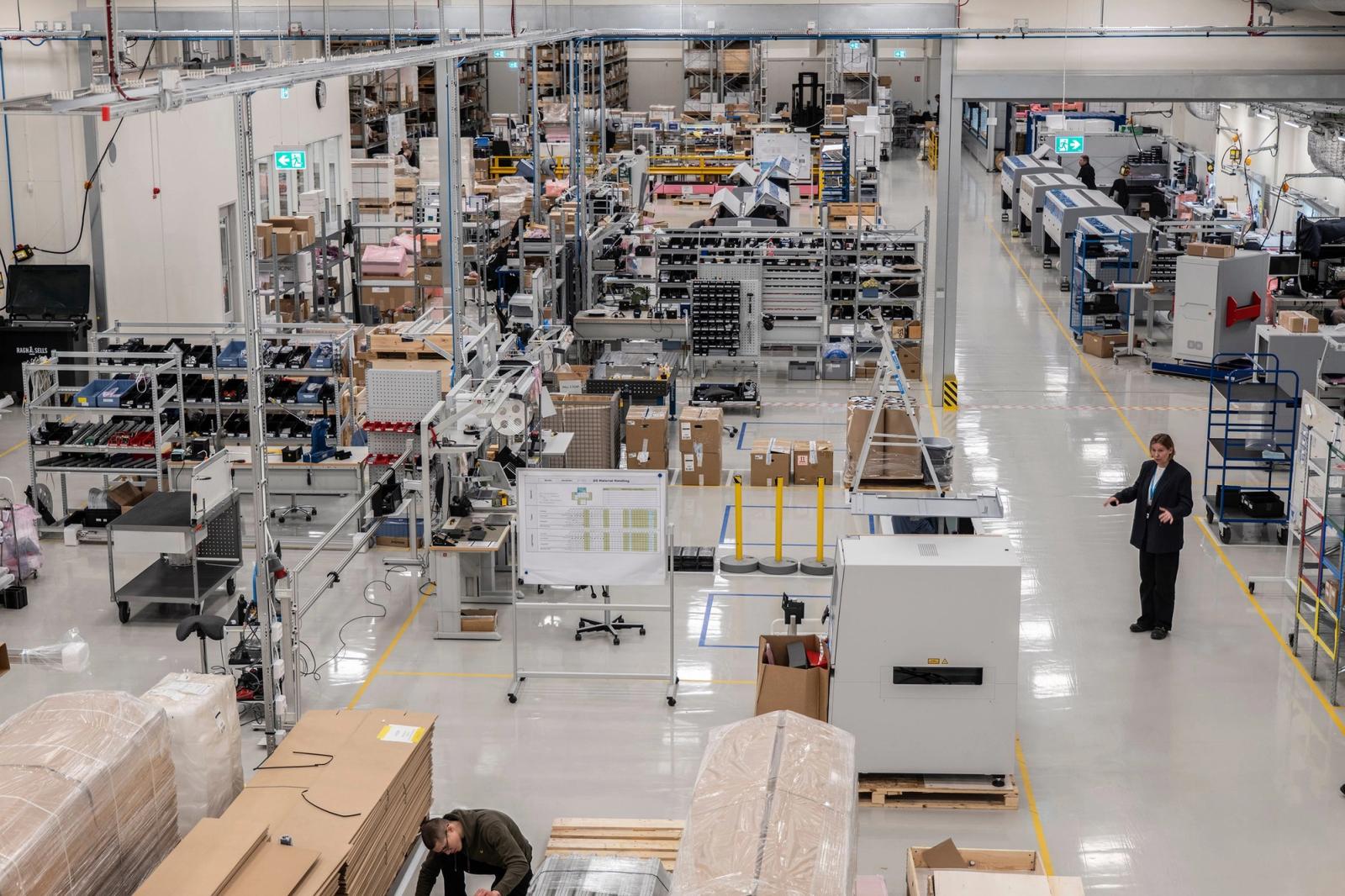
Despite its global footprint, she stresses the importance of maintaining strong roots in Sweden.
“It’s incredibly important for Sweden to have high-tech companies like Mycronic. But operating from a high-cost environment also means we have to be exceptionally good at what we do.”
Get full access to Europe's new platform for impact news
- Quality journalism, interviews, investor profiles and deep-dives
- Daily newsletter with top stories, latest funding rounds and roundup to keep you in the loop
Keep reading – get in the loop!
- Håll dig i loopen med vårt dagliga nyhetsbrev (gratis!)
- Full tillgång till daglig kvalitetsjournalistik med allt du behöver veta inom impact
- Affärsnätverk för entreprenörer och investerare med månatliga meetups
Fortsätt läsa – kom in i loopen!
- Håll dig i loopen med vårt dagliga nyhetsbrev (gratis)!
- Full tillgång till daglig kvalitetsjournalistik med allt du behöver veta inom impact
- Affärsnätverk för entreprenörer och investerare med månatliga meetups